How to Repot Indoor Plants Without Damaging the Roots (Step-by-Step Guide)
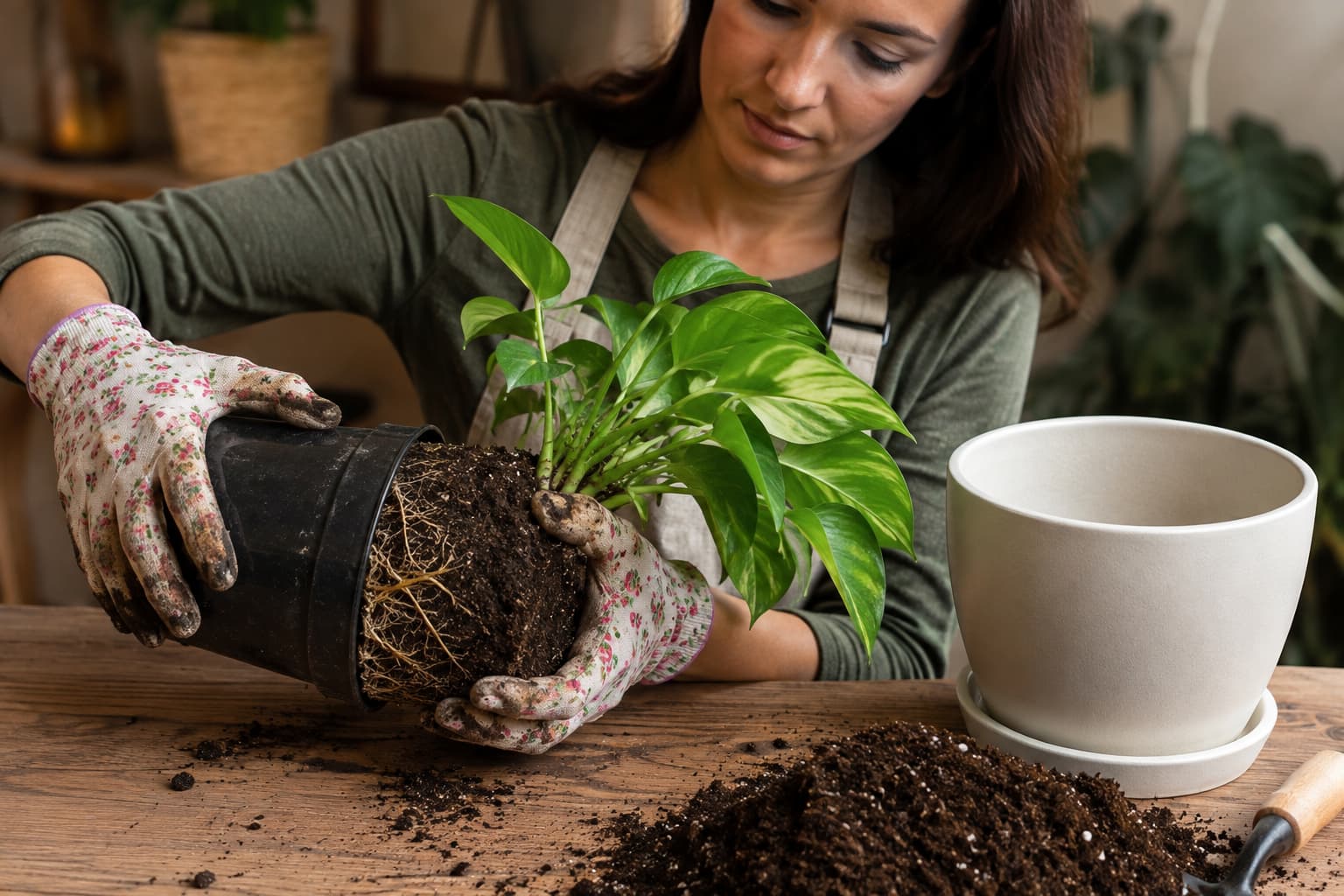
Hands carefully removing an indoor pothos with its root ball intact during repotting

Repotting an indoor plant may seem simple, but learning how to repot indoor plants correctly can make the difference between helping your plant thrive and causing unnecessary stress. Many people assume repotting indoor plants only involves moving a plant into a larger pot with fresh soil, but the health of the root system is what truly determines success. The challenge is that the most important part of any houseplant is hidden beneath the soil. Whether you’re learning how to repot a houseplant for the first time or figuring out how…

Read More

Best Soil for Indoor Plants: How to Choose the Right Potting Mix

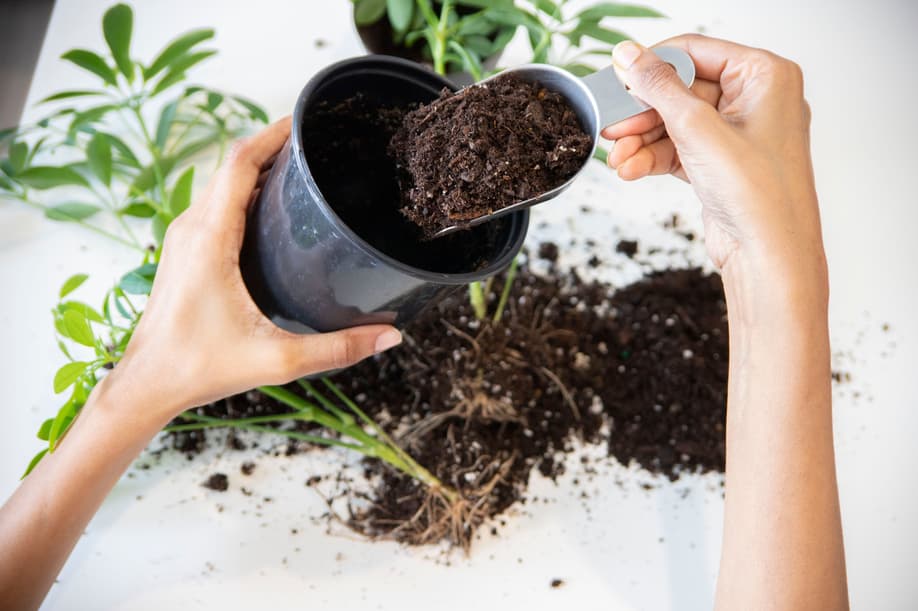
A person's hands using a metal scoop to add dark potting soil into a black plastic nursery pot during an indoor plant repotting session.

Choosing the best soil for indoor plants can seem simple until you stand in front of a garden center shelf and find bags labeled potting soil, potting mix, indoor mix, cactus mix, succulent soil, orchid mix, and all-purpose compost. Understanding the differences is essential because the best soil for indoor plants provides the right balance of drainage, moisture retention, and nutrients for healthy, thriving houseplants. Which one should you buy? The answer is more interesting than simply choosing the most expensive bag. Indoor plants have different root systems and different…

Read More

How to Water Indoor Plants Properly: Complete Beginner’s Guide

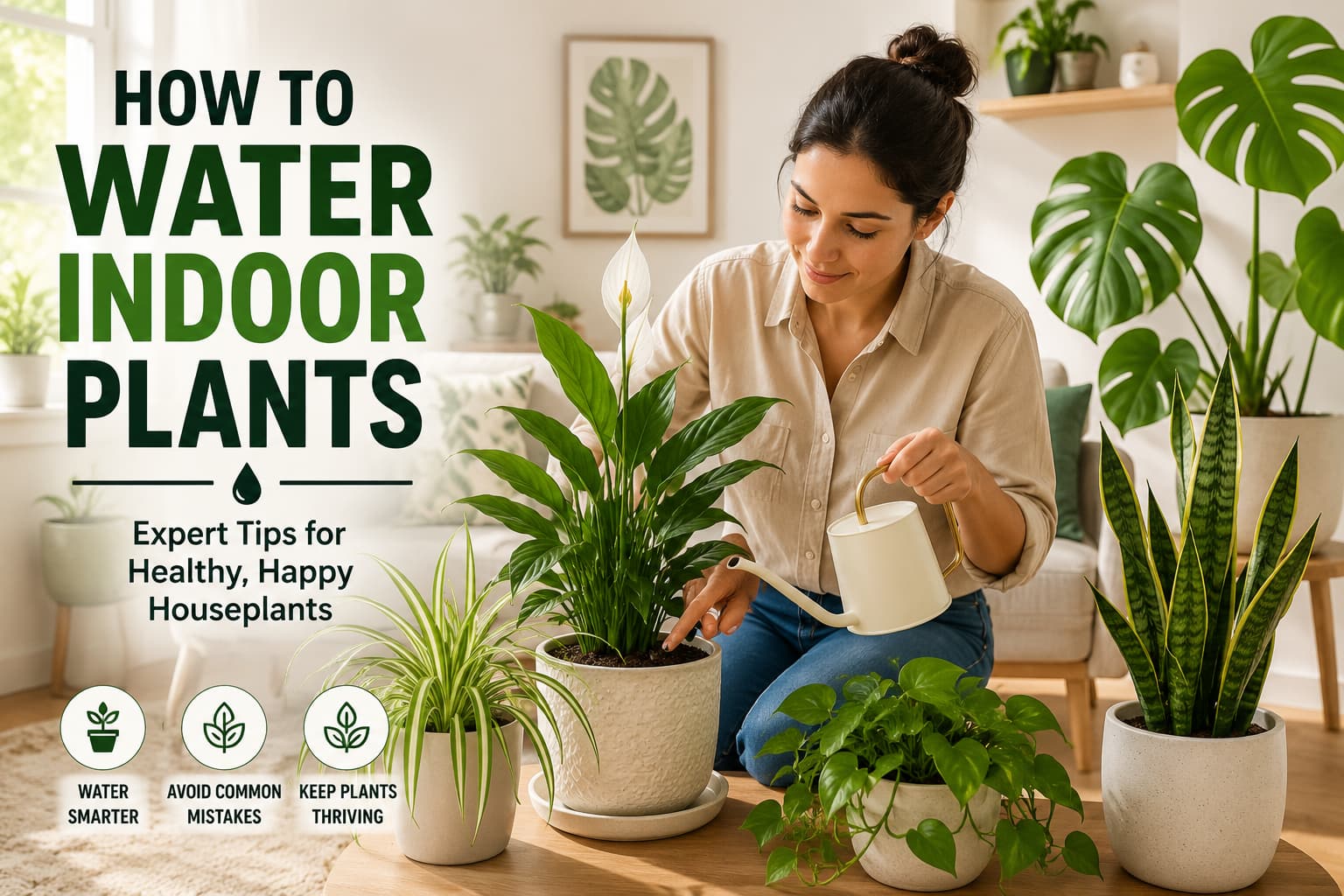
Person watering healthy indoor plants using proper watering techniques in a bright home.

Knowing how to water indoor plants is one of the most important skills for keeping houseplants healthy and thriving. While indoor plants bring beauty, freshen the air, and create a relaxing atmosphere, improper watering is one of the biggest reasons they struggle or die. Whether you’re growing a snake plant, pothos, peace lily, or succulent, understanding when and how much to water makes all the difference. In this guide, you’ll learn how to water indoor plants correctly, avoid common watering mistakes, and keep your plants vibrant all year round. The…

Read More

Hanging Plant Care: How to Keep Indoor Hanging Plants Healthy

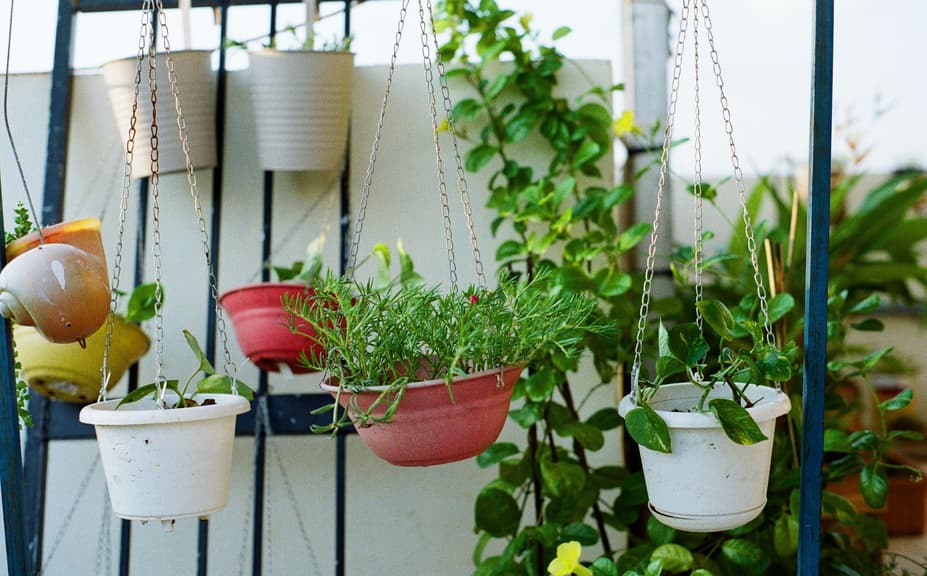
Vertical garden setup focusing on hanging-plant-care with white and red pots containing moss rose and pothos plants suspended from a metal frame.

Hanging plants are a practical way to bring more greenery into your home while making better use of vertical space. They can free up shelves, tables, and windowsills, but growing plants above eye level also requires a slightly different approach to care. Hanging plant care involves paying close attention to watering, drainage, light, basket weight, and the plant’s growing conditions. A hanging basket may dry out faster than a floor pot, be harder to water thoroughly, or become increasingly heavy as the plant and growing medium mature. Good hanging plant…

Read More

8 Common Indoor Plant Pests and How to Eliminate Them

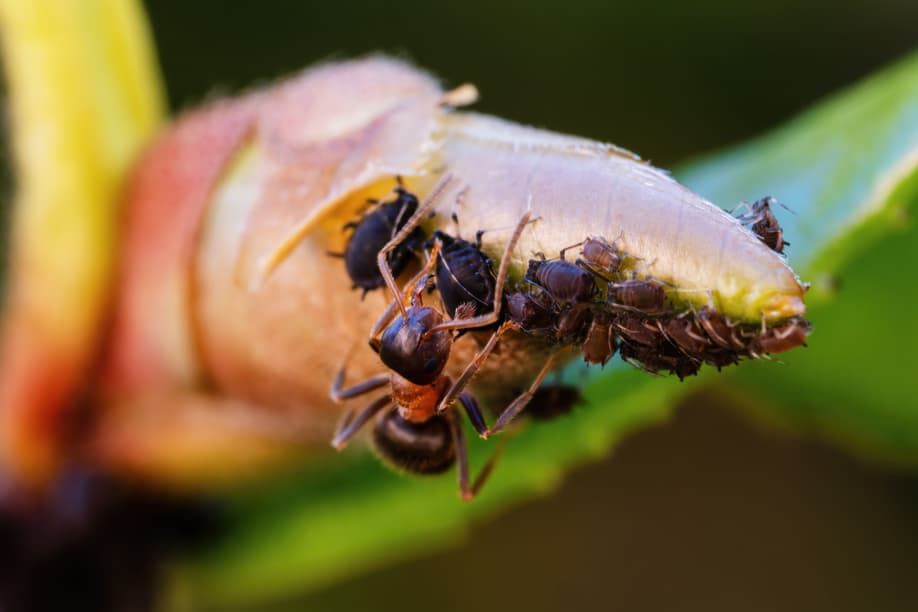
Mutualism in action: an ant protects a cluster of aphids—one of the most common indoor plant pests—to harvest their sweet honeydew.

Indoor plant pests are among the most frustrating Common Indoor Plant Problems because they can spread rapidly from one houseplant to another if left untreated. These tiny insects feed on leaves, stems, roots, or plant sap, weakening your plants and making them more susceptible to diseases and poor growth. The good news is that most indoor plant pests can be successfully controlled when detected early. Regular inspections and proper plant care are the best defenses against infestations. What Are Indoor Plant Pests? Indoor plant pests are small insects, mites, or…

Read More

21 Best Low Light Indoor Plants for Beginners (Easy to Grow)

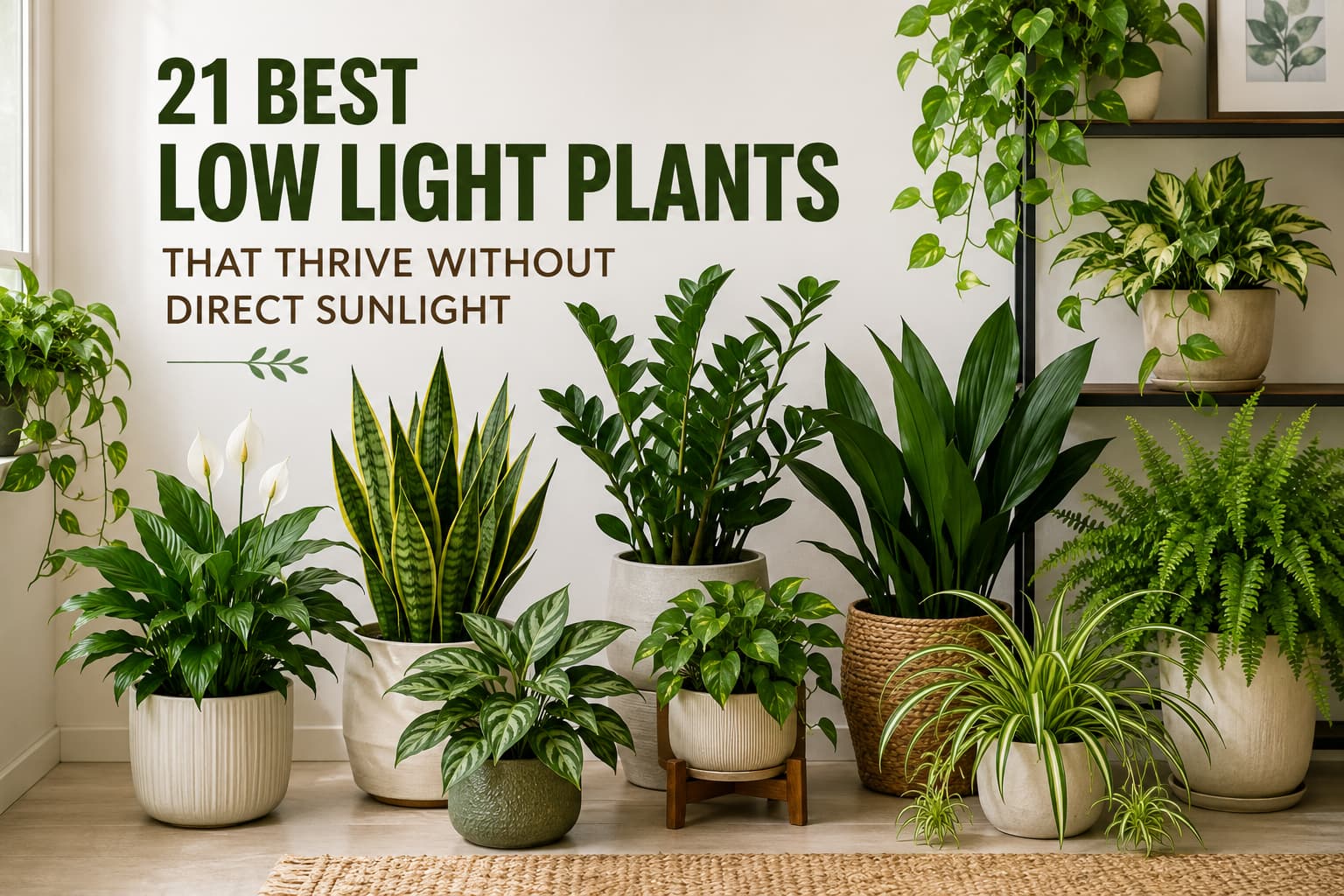
his featured image showcases a beautiful collection of low light indoor plants, including the Snake Plant, ZZ Plant, Peace Lily, Pothos, Spider Plant, Chinese Evergreen, and Boston Fern. These easy-care houseplants thrive in indirect or limited natural light, making them perfect for beginners, apartments, offices, and homes with shaded rooms. The image complements a comprehensive guide to choosing and caring for the best low light plants for healthy indoor gardening.

Not every home is filled with bright, sunny windows—and that’s perfectly fine. Many beautiful low light plants for beginners naturally thrive in shaded forests and adapt exceptionally well to indoor spaces with limited sunlight. In this guide, you’ll discover the best low-light houseplants, learn how to care for them, and find the perfect plant for every room in your home. If you’re new to houseplants, we recommend starting with our Indoor Plants: The Ultimate Guide to Choosing, Growing & Caring, where you’ll learn how to choose the right plants, understand…

Read More

12 Pet-Friendly Indoor Plants Safe for Cats and Dogs

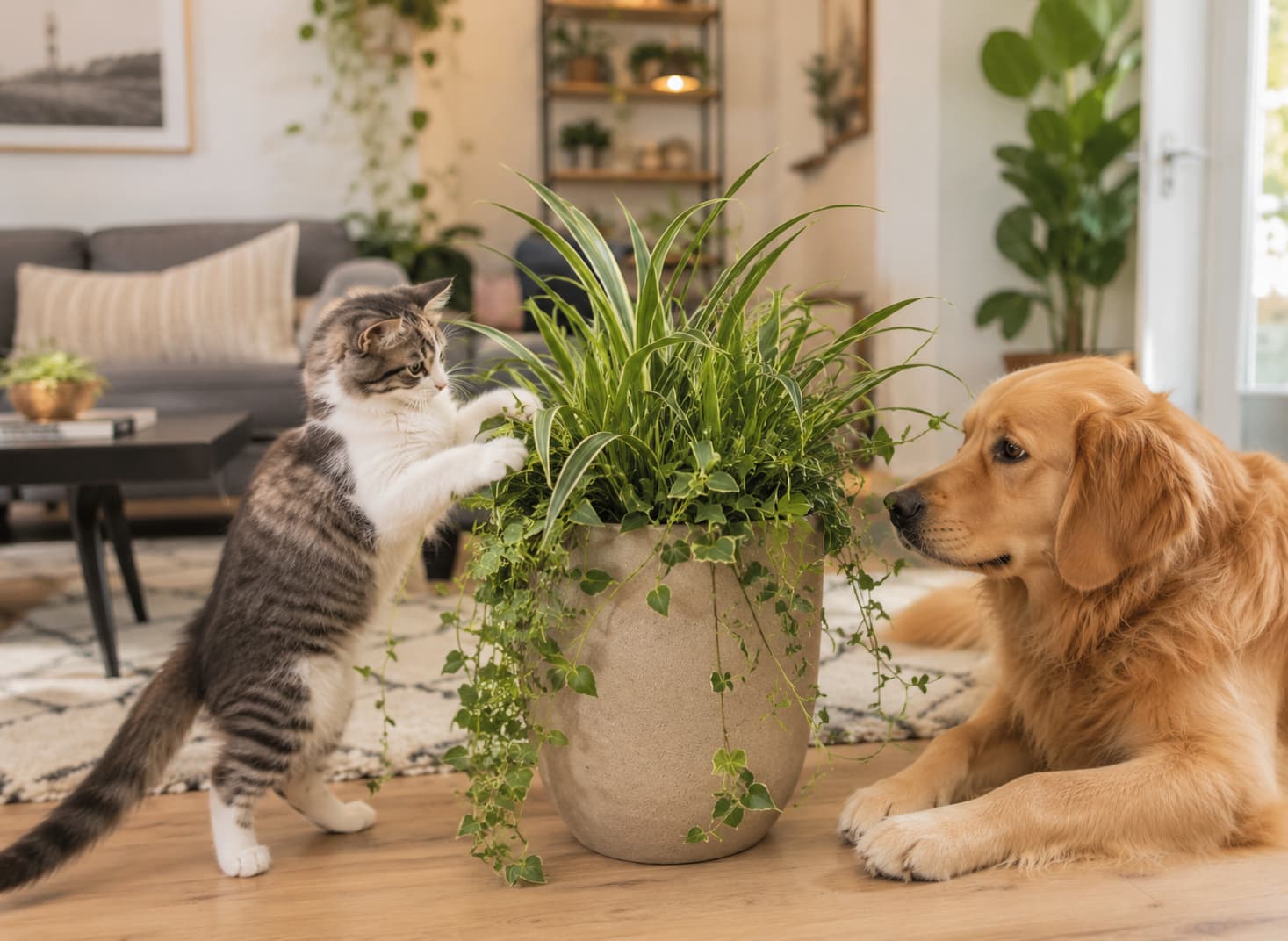
Cat and dog beside pet-friendly indoor plants in a modern home, showcasing safe types of indoor plants for homes with cats and dogs.

Sharing your home with both houseplants and pets doesn’t have to be a compromise. While some indoor plants can be toxic to cats and dogs, many pet-friendly indoor plants are completely safe when grown responsibly, allowing you to enjoy a lush, green home without putting your furry companions at unnecessary risk. Whether you’re a first-time plant owner or an experienced indoor gardener, choosing non-toxic houseplants gives you peace of mind while enhancing your living space. From elegant foliage to low-maintenance favorites, there are plenty of beautiful options that thrive indoors…

Read More

Indoor Plant Care for Beginners: The Complete Guide

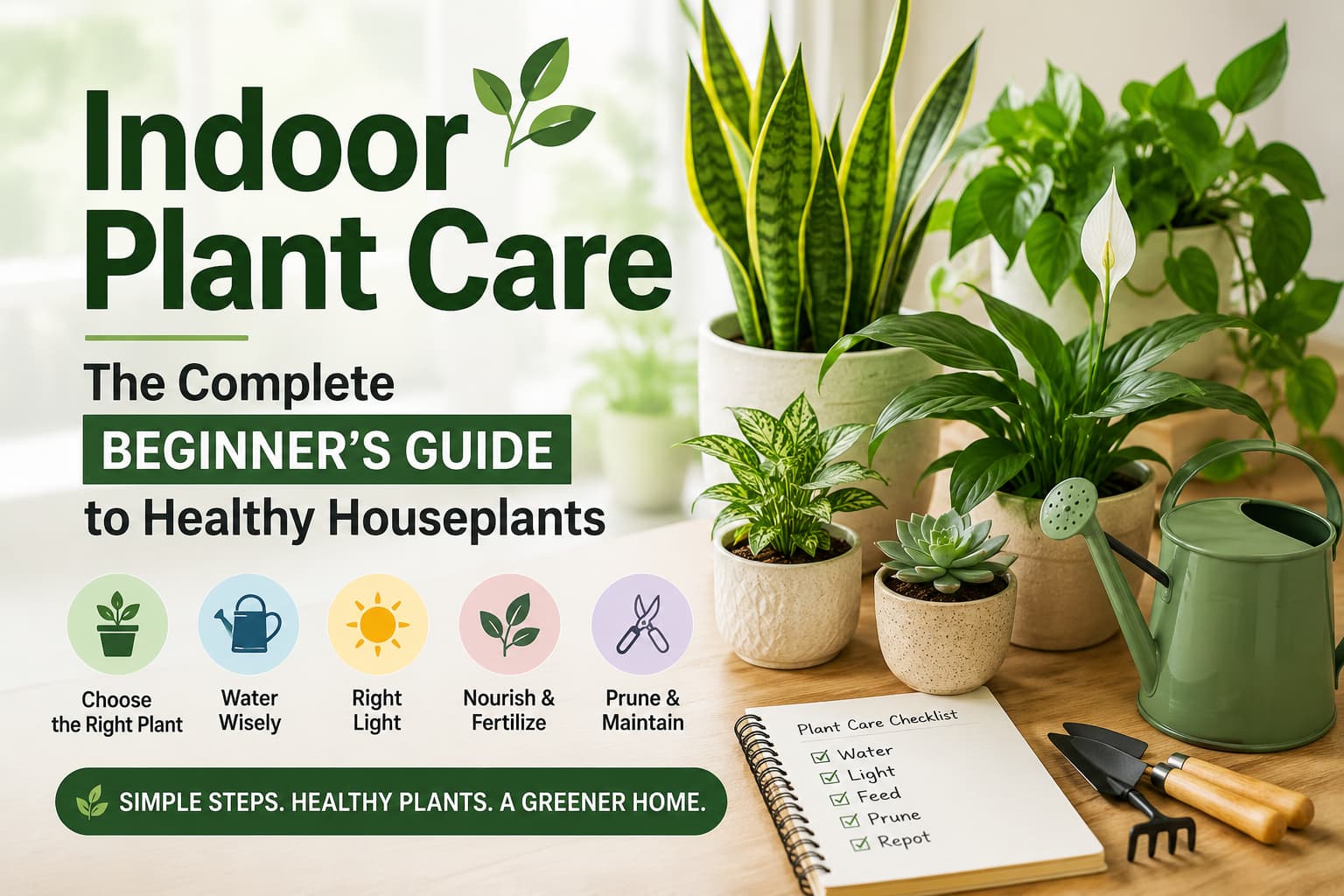
Indoor plant care guide featuring healthy houseplants including snake plant, pothos, peace lily, and succulent with beginner care tips for watering, light, fertilizing, and pruning.

Indoor plants do more than decorate your home. They add color, life, and character to living spaces while creating a more inviting environment. However, keeping houseplants healthy involves more than occasional watering. Indoor plant care for beginners starts with understanding the basic needs of your plants, including light, water, humidity, soil, nutrients, drainage, and regular maintenance. Once you understand these essentials, caring for houseplants becomes much easier. Successful indoor gardening starts with understanding a few basic requirements: light, water, humidity, soil, nutrients, drainage, and regular maintenance. Once you understand how…

Read More