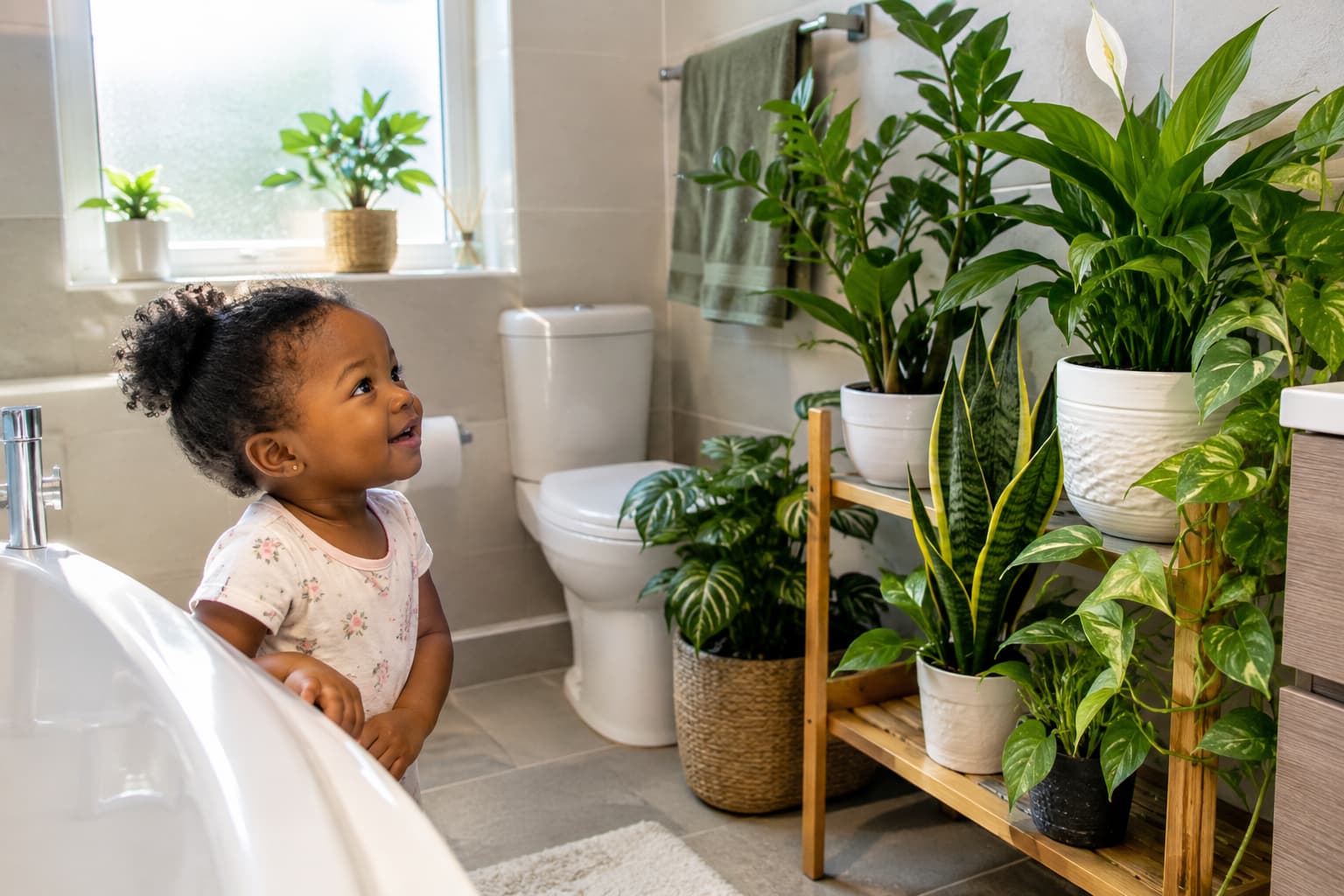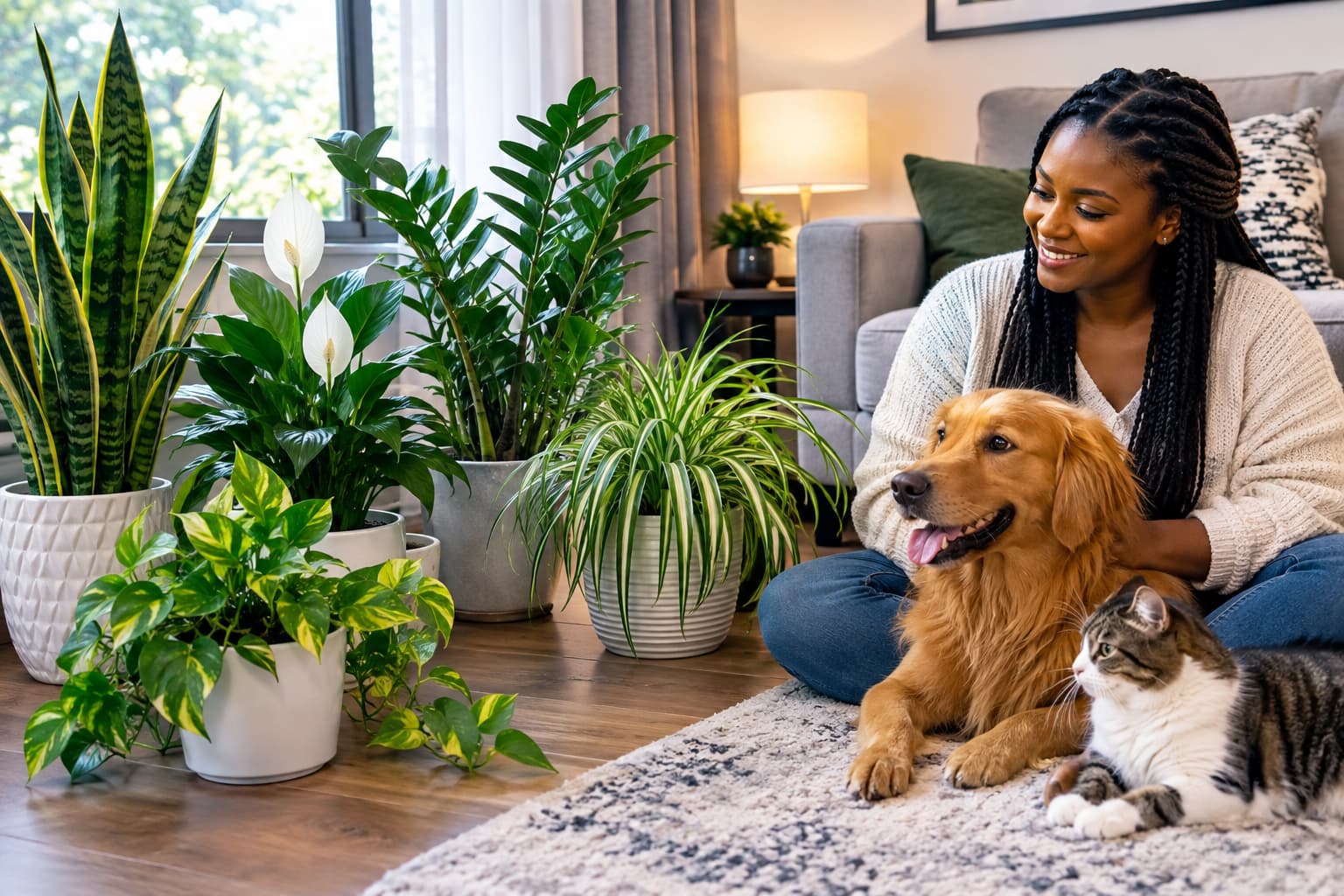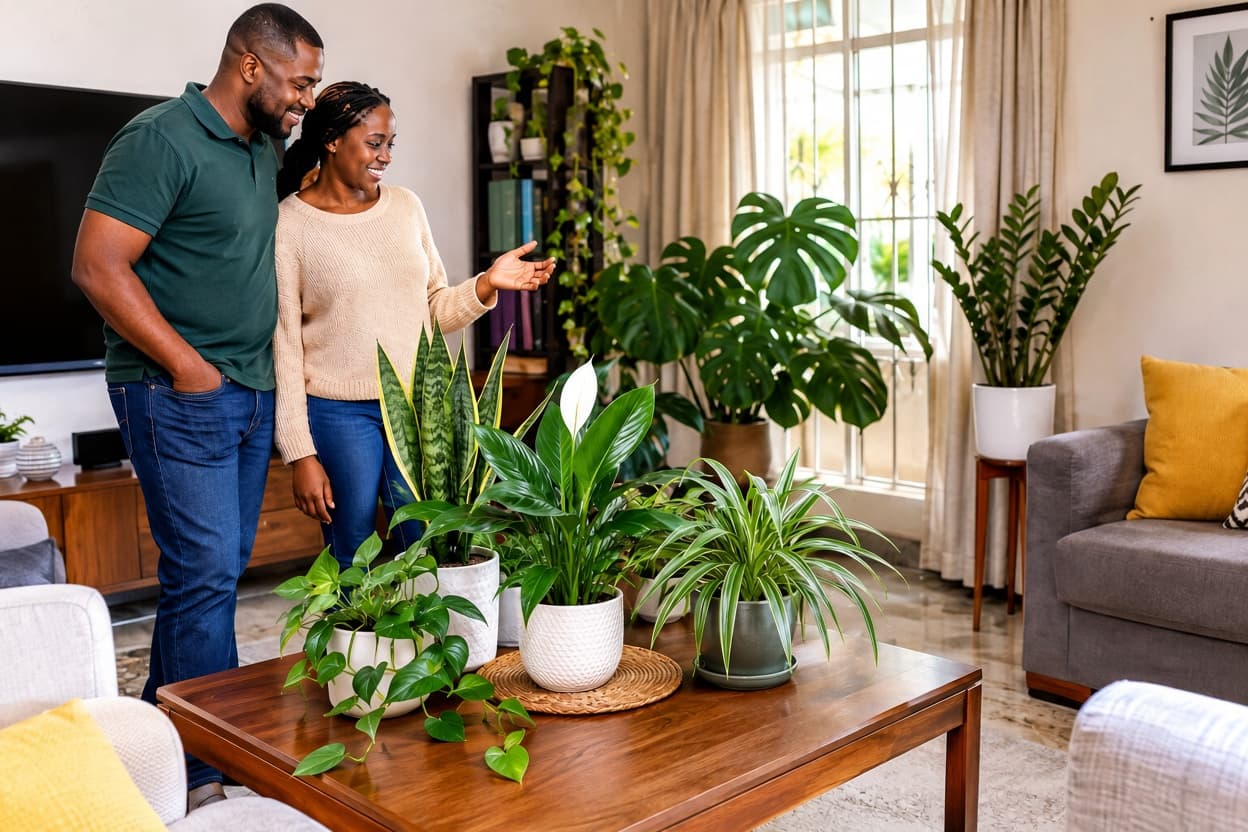

Indoor plants do more than add a splash of green to an otherwise empty room. The benefits of indoor plants go beyond decoration—they can make a space feel more welcoming, bring a touch of nature indoors, create a calmer atmosphere, and encourage you to connect more with your surroundings. From a simple snake plant on a shelf to a large indoor tree in the living room, the right plants can transform the look, feel, and atmosphere of your home.
Research has explored how indoor plants may influence human well-being, cognition, perceptions of indoor environments, and air quality. A systematic review and meta-analysis of 42 studies found generally positive effects on human functions, particularly relaxed physiological responses and cognition, although the researchers noted that some specific findings were based on limited evidence.
Indoor plants should not be viewed as a replacement for good ventilation, proper cleaning, medical treatment, or other measures that support a healthy home. Instead, they can be a simple and attractive addition to a well-maintained indoor environment.
New to houseplants? Learn indoor plant care for beginnerss with simple tips on watering, light, soil, feeding, and common problems to help your plants grow healthy and strong.
In this guide, we explore 15 amazing benefits of indoor plants, explain what the research actually supports, and show you how to get the most from your indoor greenery.
Benefits of Indoor Plants for Your Home and Well-Being
Below are 15 evidence-informed benefits of indoor plants, from enhancing the appearance of your home and creating a more inviting atmosphere to supporting relaxation, well-being, and a stronger connection with nature.
1. Indoor Plants Make Your Home More Attractive
One of the most obvious benefits of indoor plants is their ability to improve the appearance of a room.
Plants introduce natural colors, organic shapes, different textures, and visual height into indoor spaces. A trailing pothos can soften a bookshelf, while a tall rubber plant can fill an empty corner. Smaller plants can add interest to desks, windowsills, shelves, kitchen counters, and bedside tables.
Unlike many decorative accessories, plants are living elements that change over time. New leaves appear, stems grow, and foliage can gradually spread through a space.
This makes indoor plants particularly useful when a room feels plain, empty, or overly artificial.
You do not need dozens of plants to make a difference. Even one well-positioned plant can become a focal point.
For example:
• Place a tall plant beside a sofa.
• Put a small plant on a desk.
• Use hanging plants to add greenery at different heights.
• Add a compact plant to a bathroom shelf.
• Use plants to soften hard furniture lines.
• Group plants with different leaf shapes for more visual interest.
The key is choosing a plant that fits the available light and space rather than choosing one simply because it looks attractive.
2. Indoor Plants Bring Nature Into Your Living Space
Modern homes can contain a lot of concrete, glass, metal, electronics, and synthetic materials. Indoor plants provide an easy way to introduce a natural element into that environment.
This connection with nature is one reason indoor greenery is often associated with more relaxing and pleasant indoor spaces.
Plants can create a visual reminder of outdoor environments even when you live in an apartment, work in an office, or have limited access to a garden.
This does not require an elaborate indoor jungle.
A few carefully selected plants can create a noticeable natural atmosphere.
You might combine:
• A snake plant for vertical structure
• A pothos for trailing foliage
• A peace lily for lush leaves
• A rubber plant for larger foliage
• A small succulent for a desk or shelf
The goal is not simply to own more plants. It is to create a living environment that feels comfortable and connected to nature.
3. Indoor Plants Can Help Create a More Relaxing Environment
Another important benefit of indoor plants is their potential connection with relaxation and psychological well-being.
Research examining indoor plants and human functions has found generally positive effects, particularly in physiological relaxation and cognition. The evidence is promising, although individual studies vary and researchers have emphasized limitations in the available evidence.
This makes sense from a practical perspective.
A room filled with natural-looking elements may feel different from a room dominated entirely by screens, equipment, and artificial surfaces. Looking at foliage, caring for plants, and simply having greenery within your surroundings can provide a small break from a highly stimulating environment.
You can make this benefit more noticeable by creating a small green area in a place where you regularly relax.
For example, place a few plants near a reading chair or in a quiet corner of your living room. Keep the area uncluttered and use plants with different heights and textures.
The result can be a simple indoor space that feels more natural and inviting.
Ready to grow healthy indoor plants? Learn simple indoor plant care for beginners, including how to water, provide the right light, choose soil, prevent problems, and keep your plants healthy.
4. Caring for Plants Can Encourage Mindful Activities
Plant care gives you a reason to slow down and pay attention.
Instead of treating your plants as decorations that you never interact with, regular care encourages you to observe changes in leaves, soil moisture, growth, and overall appearance.
You may notice:
• A new leaf emerging
• Soil becoming dry
• A plant leaning toward a light source
• Dust accumulating on leaves
• A yellowing or damaged leaf
• New shoots developing
• Roots becoming crowded
These small observations encourage regular interaction with your environment.
Plant care can therefore become a simple routine rather than another major household responsibility.
Watering when needed, wiping dusty leaves, pruning damaged foliage, and checking for pests can become enjoyable habits when approached as part of caring for your living space.
However, avoid turning plant care into a rigid schedule. Different plants have different needs, and overwatering is one of the most common causes of indoor plant problems.
5. Indoor Plants May Support Certain Aspects of Cognitive Performance
One of the more interesting areas of indoor plant research involves cognition.
A systematic review with meta-analyses examined the effects of indoor plants on physiological, cognitive, health-related, and behavioral functions. The overall review found positive effects, particularly regarding relaxed physiology and enhanced cognition. However, the researchers also noted that some individual meta-analyses contained only a small number of studies, meaning the findings should be interpreted carefully.
This is important because it prevents us from making exaggerated claims.
It would be too strong to say that placing a plant on your desk will automatically make you smarter or dramatically increase productivity.
Instead, the research suggests that indoor greenery may contribute to conditions associated with better cognitive functioning in some circumstances.
For people who work or study indoors, adding a few plants may therefore be worth considering as part of a broader effort to create a comfortable environment.
Good lighting, appropriate temperature, ventilation, organization, and regular breaks remain important too.
6. Indoor Plants Can Make Workspaces Feel More Comfortable
Your environment can influence how you perceive your workspace.
A desk surrounded by cables, screens, paperwork, and hard surfaces can feel very different from one that includes a few carefully placed plants.
Research into indoor environmental interventions has found that “green” office environments have been associated with factors such as creativity, concentration, and lower stress, although much of the existing research uses subjective measures and more research is needed.
This makes plants particularly interesting for home offices.
You could place a small plant beside your monitor, use a taller plant in the corner of the room, or add a trailing plant to a shelf behind your desk.
The plant does not need to be complicated to care for.
Low-maintenance options such as snake plants, cast iron plants, pothos, ZZ plants, and some dracaena varieties can be practical choices depending on the light available.
7. Indoor Plants Can Improve the Perceived Quality of a Room
An interesting distinction exists between actual indoor air quality and how people perceive their environment.
Recent research has examined how indoor plants influence perceptions of indoor air quality, humidity, attractiveness, and subjective well-being. The study found that plant characteristics such as color, shape, and scent influenced perceptions of attractiveness, while some plant environments were associated with better perceived air quality and well-being.
In other words, plants can contribute to how a space feels.
A room with healthy greenery may appear fresher, more inviting, and more comfortable.
This does not necessarily mean that plants have dramatically changed the chemical composition of the air. Perception and measurable air quality are different things.
Nevertheless, creating an attractive environment matters because people spend significant amounts of time indoors.
8. Some Indoor Plants Can Influence Indoor Humidity
Plants release water vapor through a natural process called transpiration.
Research examining indoor plants and air quality has reported potential effects on humidity and other aspects of indoor microclimate conditions. A systematic review of 95 quantitative studies found that indoor plants were associated with several potential air-quality effects, including increased humidity and changes in temperature under certain conditions.
However, the effect in an ordinary home depends on factors such as:
• Number of plants
• Plant size
• Room size
• Temperature
• Light levels
• Water availability
• Ventilation
• Humidity levels
Therefore, a few houseplants should not be treated as a substitute for a humidifier when a room requires controlled humidity.
Still, plants can be part of a comfortable indoor environment.
9. Indoor Plants Can Support a More Natural Indoor Microclimate
Indoor plants interact with their surroundings in several ways.
Through transpiration, plants release water vapor. Their leaves can also influence the immediate environment around them. Research reviews have identified potential effects of indoor plants on factors such as humidity, temperature, dust, and certain pollutants, although results depend heavily on the environment and experimental conditions.
This is one reason researchers continue to study plants as part of indoor environmental design.
However, it is important to keep expectations realistic.
A few houseplants will not turn a poorly ventilated room into a perfectly healthy environment.
If your home has excessive humidity, mold, smoke, dust, or poor ventilation, those underlying problems need to be addressed directly.
Think of indoor plants as one component of a healthy and comfortable indoor environment—not a replacement for proper building maintenance.
10. Indoor Plants May Help Reduce Some Air Pollutants Under Certain Conditions
This is one of the most frequently discussed benefits of indoor plants, but it is also one of the easiest to exaggerate.
Research has demonstrated that plants can interact with certain airborne compounds under controlled conditions. The famous NASA research from the late 1980s investigated common indoor plants and their ability to remove chemicals including benzene, trichloroethylene, and formaldehyde from air in experimental environments.
More recent research has continued examining the potential of indoor vegetation to influence indoor air quality. A systematic review found evidence of pollutant reduction in various experimental settings, particularly for compounds such as formaldehyde, benzene, and toluene.
But there is an important qualification.
Laboratory findings do not automatically translate into dramatic air purification in an ordinary home.
A 2025 University of Minnesota Extension article notes that the frequently repeated claim that ordinary houseplants can substantially clean the air in homes comes largely from the earlier NASA research, which involved controlled environments that differ from typical buildings. For practical indoor-air-quality concerns, ventilation and technologies such as HEPA filtration can be more appropriate tools.
So, should you buy indoor plants for air purification?
Plants are still worthwhile, but do not depend on houseplants as your primary air-cleaning system.
Instead:
• Ventilate your home appropriately.
• Reduce indoor sources of pollution.
• Avoid smoking indoors.
• Control dust.
• Address mold and moisture problems.
• Use suitable air filtration when necessary.
• Keep plants healthy and pest-free.
Your plants can complement these measures, but they should not replace them.
11. Indoor Plants Can Add Privacy and Soften Open Spaces
Plants can also provide a practical design benefit: they can help divide spaces.
A tall indoor plant can visually separate a workspace from a living area. Several plants grouped together can create a natural screen. Hanging plants can soften the appearance of an open shelf or balcony.
This is especially useful in:
• Studio apartments
• Open-plan homes
• Home offices
• Reception areas
• Bedrooms
• Large living rooms
Unlike permanent walls or bulky furniture, plants can often be moved as your needs change.
Tall plants such as rubber plants, bird of paradise, dracaena, and palms can provide height, while trailing plants can soften shelves and furniture.
Choose plants according to available light, because a beautiful plant that cannot survive in its location will quickly become a problem rather than a benefit.
12. Indoor Plants Can Add Personality to Your Home
Your choice of plants can say a lot about your personal style.
Someone who prefers a minimalist room may choose a single sculptural plant. Another person may prefer a collection of tropical foliage. Someone with limited space may choose small succulents or compact plants.
This makes plants more than biological objects—they become part of interior design.
You can use:
• Large leaves for a tropical appearance
• Variegated foliage for visual contrast
• Trailing plants for shelves
• Tall plants for empty corners
• Small plants for desks
• Hanging plants for vertical interest
• Flowering plants for seasonal color
The possibilities are almost endless.
And because plants are available in different shapes, sizes, colors, and growth habits, they can work with almost any decorating style.
13. Indoor Plants Can Encourage a Regular Care Routine
One overlooked benefit of indoor plants is that they create small responsibilities.
You need to check them.
You may need to water them, rotate them, prune them, clean their leaves, repot them, or inspect them for pests.
For some people, these small routines can provide structure.
Instead of trying to care for every plant on a strict calendar, develop a simple observation habit.
For example, once or twice a week, walk around your home and look at your plants.
Ask:
Does the soil feel dry?
Are the leaves healthy?
Is the plant receiving appropriate light?
Are there signs of pests?
Is new growth appearing?
Are any leaves damaged or yellowing?
This approach teaches you to respond to the plant rather than blindly following a schedule.
14. Indoor Plants Can Make Small Spaces Feel More Lively
You do not need a large house or garden to enjoy the benefits of indoor plants.
Even a small apartment can accommodate plants.
A windowsill, shelf, desk, bedside table, kitchen counter, or unused corner can become a place for greenery.
For small spaces, consider plants based on their growth habit rather than simply their appearance.
Trailing plants work well on shelves. Compact plants can fit on desks. Tall, narrow plants can fill corners without taking up too much floor space.
If natural light is limited, choose plants known for tolerating lower-light conditions rather than forcing a high-light plant to survive in a dark room.
Some popular low-light-tolerant choices include:
• Cast iron plant
• Snake plant
• ZZ plant
• Pothos
• Heartleaf philodendron
Remember that low-light tolerant does not mean no-light tolerant. Every plant needs enough light to support photosynthesis.
Living in a small home or apartment? Discover the 15 best indoor plants for small spaces and apartments that add beauty and fresh greenery without taking up much room.
15. Indoor Plants Can Give You a Long-Term, Living Form of Décor
Furniture and decorative accessories remain largely unchanged after you purchase them.
Plants are different.
They grow.
A small plant can eventually become a large specimen. A trailing vine can extend across a shelf. A young plant can produce new leaves and gradually change the appearance of a room.
This makes indoor plants a form of living décor.
With proper care, some houseplants can remain part of your home for years.
The process can also be rewarding because you get to see the results of your care.
A new leaf may not seem significant, but after months of caring for a plant, seeing healthy new growth can be surprisingly satisfying.
Benefits of Indoor Plants for Different Rooms
Not every room in your home provides the same conditions for growing plants. Light levels, temperature, humidity, available space, and how the room is used can all influence which plants are suitable.
Choosing indoor plants according to the conditions of each space is one of the best ways to create a healthy, attractive, and manageable indoor garden. Here are some practical ways to use plants in different rooms of your home.
1. Benefits of Indoor Plants in the Living Room
The living room is often one of the easiest places to incorporate indoor plants because it typically offers more space and usable natural light.
Large plants can fill empty corners and create attractive focal points, while smaller plants can decorate shelves, side tables, and other surfaces. Plants can also introduce colour, texture, and a natural element into the room.
Good options may include:
- Rubber plant
- Bird of paradise
- Snake plant
- Pothos
- Dracaena
- Fiddle leaf fig
Always choose plants according to the actual light available rather than appearance alone.
2. Benefits of Indoor Plants in the Bedroom
Indoor plants can add visual softness and a natural touch to bedrooms, helping create a more pleasant and relaxing-looking environment.
Choose plants according to the bedroom’s light, temperature, and available space. Compact plants can sit on shelves or dressers, while taller plants can occupy suitable corners.
There is no need to overcrowd the room. A few healthy, well-positioned plants are generally more practical than a large collection that struggles to grow.
3. Benefits of Indoor Plants in the Home Office
Plants can make a home office feel more welcoming and less sterile. A small plant beside your computer can introduce greenery without taking up valuable workspace, while a taller plant can add visual balance to a larger office.
Research has explored relationships between indoor greenery, cognition, and relaxed physiological responses. However, these findings should not be interpreted as a guarantee that adding a plant to your desk will automatically increase productivity.
Want to make your office look fresh and green? Discover the best indoor plants for offices that are easy to care for and can grow well with little attention.
4. Benefits of Indoor Plants in the Kitchen
Kitchens can accommodate both decorative plants and useful herbs, provided the growing conditions are suitable.
Before choosing plants, consider available light, temperature changes, cooking heat, humidity, and the location of cooking appliances. Keep plants away from areas where they could interfere with food preparation or become exposed to excessive heat, grease, or food debris.
Herbs such as basil, mint, parsley, and chives can be practical choices where adequate light is available.
5. Benefits of Indoor Plants in the Bathroom
Bathrooms can sometimes provide higher humidity than other rooms, making them suitable for certain moisture-loving plants. However, humidity alone does not make a bathroom suitable for growing plants.
Light remains a critical consideration. A bright bathroom with suitable indirect light may support plants such as pothos, ferns, or spider plants, while a dark bathroom may require supplemental lighting or plants that tolerate very low light.
Avoid placing plants where they will be exposed to excessive heat or direct drafts.
6. Benefits of Indoor Plants in the Entryway and Hallway
Entryways and hallways can benefit from plants because greenery can make these transitional spaces feel more welcoming and visually interesting.
However, many hallways have limited natural light. Before placing a plant in a darker area, determine whether it receives enough light to support healthy growth.
Compact plants can work well on suitable consoles or shelves, while larger plants may be appropriate where there is enough floor space and natural light.
7. Benefits of Indoor Plants in the Dining Room
The dining room can be an excellent place to introduce plants without making the space feel crowded. A carefully positioned plant can add colour and natural texture while complementing the room’s furniture and décor.
Consider compact plants for shelves or sideboards, or use a larger floor plant as a visual focal point if sufficient space is available.
Because the dining room is used around food, keep foliage clean and position plants where they will not interfere with meals or come into unnecessary contact with food and eating surfaces.
For better bedroom air, explore the 15 best air purifying plants for bedroom and discover easy, low-maintenance choices that can add greenery while creating a more relaxing space.
How To Choose the Right Indoor Plant for Every Room
The best indoor plant is not necessarily the most attractive one at the garden centre. It is the plant that can thrive in the conditions you can realistically provide.
Before choosing a plant, consider:
Light: How much natural or artificial light does the room receive?
Space: How large can the plant safely grow?
Humidity: Is the room naturally dry or humid?
Temperature: Are there heat sources, cold drafts, or major temperature fluctuations?
Maintenance: How much time can you realistically dedicate to plant care?
Pets: If you have cats or dogs, check whether the plant is considered potentially toxic to them.
Matching the right plant to the right room makes indoor gardening easier and helps you maintain healthy greenery throughout your home.
How to Choose Indoor Plants to Get the Most Benefits
The best indoor plant is not necessarily the most popular plant.
It is the plant that matches your environment and your ability to care for it.
Before buying a plant, consider these factors.
1. Check Your Light
Light is one of the most important factors in indoor plant health.
Observe your room throughout the day.
Does it receive:
• Bright direct sunlight?
• Bright indirect light?
• Moderate indirect light?
• Low light?
Then choose a plant accordingly.
Do you have a dark room or little natural light? Discover the 21 best low light indoor plants for beginners that are easy to grow and need simple care to stay healthy.
2. Consider Your Watering Habits
If you frequently forget to water plants, choose drought-tolerant species.
If you naturally enjoy regular plant care, you may be comfortable with plants that require more consistent moisture.
Never choose a plant solely because it is labeled “easy.” Easy is relative to your environment and routine.
Not sure how much water your houseplants need? Learn how to water indoor plants properly with simple tips that help prevent overwatering, underwatering, and common plant problems.
3. Consider the Available Space
A plant that eventually grows several feet tall may not be suitable for a small shelf.
Check the mature size before purchasing.
This is especially important for large indoor plants.
4. Consider Pets
If you have cats or dogs, research plant safety before bringing a new species home.
Do not assume that a plant is safe simply because it is commonly sold as a houseplant.
Worried about pests damaging your houseplants? Learn about 8 common indoor plant pests, how to spot them early, and simple ways to eliminate them before they spread.
5. Consider Your Experience Level
Beginners often benefit from resilient plants that tolerate occasional mistakes.
Some popular beginner-friendly options include:
• Snake plant
• Cast iron plant
• Pothos
• ZZ plant
• Spider plant
Once you become comfortable with basic plant care, you can experiment with more demanding species.
Do Indoor Plants Really Purify the Air?
This deserves its own section because it is one of the biggest questions surrounding the benefits of indoor plants.
The short answer is:
Indoor plants can interact with indoor air, but ordinary houseplants should not be treated as a replacement for ventilation or air filtration.
Want fresher, greener indoor spaces? Discover air-purifying indoor plants that can add natural beauty to your home or office while making your space feel more pleasant and welcoming.
The original American Horticultural Society (AHS) research demonstrated that certain plants could remove selected chemicals from controlled air environments.
Later research has also documented potential effects on pollutants and indoor microclimate conditions.
However, ordinary homes are not sealed laboratory chambers.
Air continuously moves in and out of buildings through doors, windows, ventilation systems, and other pathways. The conditions in a laboratory experiment can therefore differ substantially from those in a typical home.
If indoor air quality is your main concern, focus first on proven practical measures.
Better ways to improve indoor air quality include:
• Improving ventilation
• Controlling indoor moisture
• Removing pollution sources
• Keeping the home clean
• Preventing mold growth
• Avoiding indoor smoking
• Using appropriate filtration when needed
Plants can still be part of the environment, but they should be viewed as a complementary feature rather than a powerful standalone air purifier.
Are Indoor Plants Good for Your Mental Health?
It is tempting to make broad claims here, but the evidence deserves a careful explanation.
Research has found associations between indoor plants and physiological relaxation, cognition, and aspects of well-being. A systematic review of 42 studies reported generally positive effects on human functions, particularly relaxed physiology and cognition.
However, this does not mean that houseplants can treat depression, anxiety, or other mental health conditions.
Indoor plants are better understood as one element of a pleasant environment.
They may provide:
• Visual contact with nature
• A calming decorative element
• A simple care routine
• Opportunities for observation
• A sense of responsibility
• A more attractive living space
If you are experiencing a mental health problem, indoor plants should complement—not replace—appropriate professional support.
How Many Indoor Plants Do You Need?
There is no universal number.
You do not need 20, 50, or 100 plants to experience the everyday advantages of greenery.
Start with one or two plants.
Observe how they perform.
If they remain healthy and you enjoy caring for them, gradually add more.
Quality matters more than quantity.
Ten unhealthy plants suffering from poor light and overwatering are not necessarily better than three thriving plants placed in suitable locations.
A practical indoor plant collection should fit your:
• Available space
• Natural light
• Watering routine
• Budget
• Experience level
• Cleaning habits
• Lifestyle
Common Mistakes That Can Reduce the Benefits of Indoor Plants
Indoor plants can make your home more attractive, welcoming, and enjoyable, but they need the right care and growing conditions to remain healthy. Poor plant care can lead to yellowing leaves, weak growth, pest problems, and plants that eventually decline.
Avoiding these common indoor plant care mistakes can help you keep your plants healthy and continue enjoying the many benefits of indoor plants.
1. Overwatering Your Indoor Plants
Overwatering is one of the most common mistakes people make when caring for indoor plants. Keeping the soil constantly wet can reduce the amount of oxygen available around the roots and contribute to root problems.
Instead of watering on a fixed schedule, check the soil and consider the specific needs of your plant, its pot size, soil type, temperature, humidity, and available light.
2. Keeping Plants in Poor Lighting Conditions
Light is essential for healthy plant growth. Even a low-light indoor plant cannot remain healthy indefinitely in a location that provides insufficient light.
Before choosing a location, understand how much natural light the area receives and select plants suited to those conditions. If necessary, move the plant closer to a suitable light source or choose a species better adapted to the available light.
3. Ignoring Pests Until They Spread
Spider mites, mealybugs, scale insects, fungus gnats, and other indoor plant pests can spread from one plant to another if they are not noticed early.
Inspect your plants regularly, paying close attention to the undersides of leaves and stems. It is also a good idea to inspect new plants carefully before adding them to your existing collection.
4. Allowing Dust to Build Up on Leaves
Dusty leaves can make indoor plants look dull and reduce their decorative appeal. A heavy layer of dust may also interfere with the amount of light reaching the leaf surface.
For plants that tolerate it, gently wipe the leaves with a clean, damp cloth. Avoid using unnecessary leaf-shine products, and always handle delicate foliage carefully.
5. Choosing Plants Without Considering Their Mature Size
A small plant purchased from a nursery or garden center may eventually grow much larger than expected. Without planning ahead, a plant can quickly outgrow the shelf, table, or corner where it was originally placed.
Before buying an indoor plant, check its expected mature size and growth habit. Consider both its height and width, as well as whether it climbs, trails, or spreads.
6. Using Pots Without Proper Drainage
Containers without drainage holes can make it easier for excess water to remain around the roots. This can create problems, particularly for plants that prefer the soil to dry partially between waterings.
Whenever possible, choose a pot with adequate drainage and use a suitable potting mix for the particular type of indoor plant you are growing.
7. Choosing the Wrong Plant for Your Home
Not every indoor plant is suitable for every home. Factors such as available light, temperature, humidity, available space, pets, and the amount of care you can realistically provide should influence your choice.
Choosing plants that match your home’s growing conditions makes plant care easier and increases your chances of maintaining healthy, attractive indoor greenery over the long term.
Are your houseplants looking weak, yellow, or unhealthy? Learn about 21 common indoor plant problems and how to fix them fast with simple tips that help your plants grow healthy again.
How to Enjoy the Benefits of Indoor Plants Without High-Maintenance Care
You do not need to fill every corner of your home with demanding plants to enjoy the many benefits of indoor plants. A small, carefully chosen collection of healthy plants can add natural beauty, create a more inviting atmosphere, and help you enjoy the experience of bringing nature indoors—without turning plant care into a stressful daily task.
Follow these seven simple principles to enjoy indoor plants while keeping maintenance manageable.
1. Start Small
If you are new to indoor gardening, begin with a few easy-care indoor plants rather than buying too many at once. Starting small gives you time to understand basic plant care, including watering, lighting, and growth habits, without becoming overwhelmed.
As your confidence and experience grow, you can gradually expand your collection.
2. Match Plants to Your Available Light
One of the best ways to make indoor plant care easier is to choose plants based on the conditions already available in your home.
Do not buy a plant first and then struggle to find a suitable location for it. Instead, observe the light in your rooms and choose plants that are well suited to those conditions.
3. Learn Each Plant’s Watering Needs
Different indoor plants have different moisture requirements. Some prefer the potting mix to dry partially between waterings, while others grow best with more consistently moist soil.
Avoid watering every plant on the same schedule. Learn the needs of each species and check the soil before adding more water.
4. Choose Containers With Drainage Holes
Proper drainage is important for many common indoor plants. Pots with drainage holes allow excess water to escape and make it easier to avoid keeping the root zone constantly saturated.
Combine a suitable container with an appropriate potting mix to create better growing conditions for your plants.
5. Focus on Keeping Plants Healthy
A few healthy, attractive plants usually provide more enjoyment and visual impact than a large collection of struggling ones.
Regularly check for pests, yellowing leaves, damaged growth, and other signs that a plant may need attention. Addressing small problems early can help prevent them from becoming more serious.
6. Review Your Plants’ Placement as They Grow
Indoor plants are not static decorations. As they grow, their light requirements, size, and space needs may change.
Periodically reconsider where your plants are positioned. Moving or rearranging them when necessary can help prevent overcrowding and ensure they continue receiving suitable growing conditions.
7. Enjoy the Indoor Gardening Process
Indoor gardening should be enjoyable rather than a source of unnecessary stress. Start with plants you genuinely like, learn from occasional mistakes, and build your knowledge gradually.
You do not need to become an expert overnight. With time and experience, caring for indoor plants can become a simple and rewarding part of your daily environment.
Want easy plants that stay beautiful all year, and give you the benefits of plants? Discover the 21 best indoor plants that are easy to grow all year long, even if you are new to indoor gardening.
Frequently Asked Questions About the Benefits of Indoor Plants
Still have questions about the benefits of indoor plants? Here are answers to some of the most common questions about how houseplants can enhance your home, support well-being, and contribute to a more enjoyable indoor environment.
1. What Are the Main Benefits of Indoor Plants?
The main benefits of indoor plants include improving the appearance of indoor spaces, bringing nature indoors, creating a more pleasant environment, supporting relaxation, and potentially influencing aspects of cognition and well-being. Research has also investigated their effects on indoor air quality and microclimate conditions.
2. Do Indoor Plants Improve Air Quality?
Indoor plants can interact with certain airborne pollutants under specific conditions, and research has documented potential effects on indoor air quality. However, ordinary houseplants should not be considered a substitute for ventilation or effective air-filtration systems.
3. Do Indoor Plants Reduce Stress?
Research suggests that indoor plants may contribute to relaxed physiological responses and improved perceptions of indoor environments. However, the strength of the evidence varies, so it is better to describe plants as a potential supportive environmental feature rather than a treatment for stress-related conditions.
4. Are Indoor Plants Good for Mental Well-Being?
Indoor plants may support well-being by adding natural elements to indoor environments and encouraging interaction with plants. Research has reported positive effects in areas such as relaxed physiology and cognition, but indoor plants should not replace professional care for mental health conditions.
5. Can Indoor Plants Make You More Productive?
There is evidence suggesting that indoor greenery may influence aspects of cognition and workplace experience, but it would be an overstatement to claim that plants automatically make people more productive. Productivity depends on many factors, including lighting, noise, temperature, workload, ergonomics, and organization.
6. How Many Indoor Plants Should I Have?
There is no ideal number for every home. Start with a few plants that match your available light and your ability to care for them. A smaller collection of healthy plants is generally more practical than a large collection that you cannot maintain.
7. Which Indoor Plants Are Best for Beginners?
Popular beginner-friendly options include snake plants, pothos, cast iron plants, ZZ plants, and spider plants. However, the best choice depends on your home’s light, temperature, humidity, available space, and watering habits.
8. Do Indoor Plants Need Direct Sunlight?
Not necessarily. Many indoor plants prefer bright indirect or filtered light, while some tolerate lower-light conditions. However, low-light tolerant does not mean that a plant can survive in complete darkness.
9. Can Indoor Plants Increase Humidity?
Yes, plants release water vapor through transpiration, and research has found that indoor plants can influence humidity under certain conditions. The actual effect in a home depends on plant quantity, plant size, room size, temperature, ventilation, and other environmental factors.
10. Are Indoor Plants Safe for Pets?
Not all indoor plants are safe for cats and dogs. If you have pets, identify the plant species before bringing it home and check a reliable pet-safety resource for toxicity information.
11. Do Indoor Plants Remove Toxins From the Air?
Some controlled studies have shown that plants can remove particular chemicals from air. However, the conditions of laboratory experiments can differ significantly from ordinary homes. Houseplants should therefore not be relied upon as a primary method of removing indoor pollutants.
12. Can Indoor Plants Improve Sleep?
There is not enough evidence to claim that simply placing a houseplant in your bedroom will directly improve sleep. However, plants can contribute to a pleasant and relaxing bedroom environment. Sleep quality depends on many other factors, including temperature, noise, light exposure, routine, and overall health.
Conclusion
The benefits of indoor plants go far beyond simple decoration.
Healthy houseplants can make your home feel more natural, attractive, and inviting. They add color, texture, and visual interest, soften empty spaces, and create more opportunities for everyday interaction with nature. Research also suggests that indoor plants may support aspects of relaxation, cognitive performance, and subjective well-being, although the strength of evidence varies depending on the specific benefit.
Indoor plants may also influence aspects of the indoor environment, including air and microclimate conditions, under certain circumstances. However, it is important to separate popular claims from established evidence. Results from controlled laboratory studies should not automatically be interpreted to mean that a few potted plants can dramatically purify the air in a typical home. Good ventilation, regular cleaning, and other healthy indoor practices remain important.
The best approach is simple: enjoy indoor plants as part of a comfortable, attractive, and well-maintained home—not as a cure-all or replacement for medical or environmental guidance. For reliable information on evidence-based health topics, visit the National Center for Complementary and Integrative Health (NCCIH).
If you have cats or dogs, plant selection also matters. Some popular houseplants can be harmful if chewed or swallowed. Before bringing a new plant home, consult reliable pet-safety guidance from the American Society for the Prevention of Cruelty to Animals (ASPCA).
Choose plants that match your available light and lifestyle, use suitable soil and containers, water according to each plant’s needs, and monitor for pests and other problems.
Whether you start with one plant or build an indoor garden, the goal is simple: create a space where both you and your plants can thrive together.

I’m Bon (aka Guider), an indoor gardening writer and houseplant enthusiast passionate about helping beginners successfully grow and care for indoor plants. I create practical, beginner-friendly guides covering indoor plant care, watering, lighting, soil, repotting, plant problems, and choosing suitable houseplants for different homes. My articles draw on research from trusted horticultural organizations, university extension resources, and botanical institutions, combined with practical plant-care principles and careful content review.