How to Get Rid of Fungus Gnats in Houseplants (10 Proven Methods)

A fungus gnat resting on a green leaf. Learn how to get rid of fungus gnats and prevent them from breeding in houseplant soil.

Those tiny black flies hovering around your houseplants can be surprisingly difficult to ignore. If you are struggling with an indoor pest infestation and want to learn how to get rid of fungus gnats, you are not alone. You water your plants, move a pot, and suddenly several insects rise from the soil. You may even find them around your windows, desk, or kitchen. If you are wondering how to get rid of fungus gnats, the most important thing to understand is that killing the flying insects alone will not…

Read More

3 Hardest Indoor Plant Pests to Get Rid Of (And How to Control Them)

Managing the hardest indoor plant pests requires careful inspection, appropriate treatments, and consistent plant care.

Some indoor plant pests disappear after a single quick rinse in the shower. But the hardest indoor plant pests keep returning despite repeated treatments, leaving behind a trail of ruined leaves, weakened stems, and frustrated plant owners wondering what went wrong. If you feel like you’ve been spraying your collection every week, using every “all-natural” remedy on Pinterest, and the bugs just keep coming back, you aren’t losing your mind. You are likely fighting an evolutionary masterpiece designed to completely bypass standard sprays. So, if you have already tried all…

Read More

How to Use Neem Oil for Plants: A Step-by-Step Guide

Learn how to use neem oil for plants to help manage common houseplant pests and keep your indoor greenery healthy - image

How to use neem oil for plants safely and effectively is an important skill for anyone caring for indoor plants. Neem oil can help manage certain insect pests and plant diseases when used correctly, but the wrong concentration or application conditions may damage delicate leaves. Before spraying your houseplants, learn how to choose the right product, apply it properly, and protect your plants from unnecessary harm. This guide explains how to use neem oil for plants, from choosing the right product to applying it safely. Whether you grow pothos, peace…

Read More

How to Stop Pets From Eating Plants: Safe Home Tips

Wondering how to stop pets from eating plants? Learn practical ways to protect your indoor plants while keeping curious cats and other pets safe.

Many plant parents researching how to stop pets from eating plants assume that buying an indoor plant labeled as non-toxic is the final step in creating a harmonious, green home. However, as any cat or dog owner quickly learns, non-toxic does not mean non-destructible. While popular choices like the Spider Plant or a lush Majestic Palm won’t poison your furry companions, your pet can easily destroy months of healthy, careful plant growth in a single afternoon of digging, chewing, or playful swatting. Furthermore, ingesting large amounts of any fibrous plant…

Read More

How to Fix Leggy Houseplants: 7 Practical Ways to Encourage Fuller Growth.

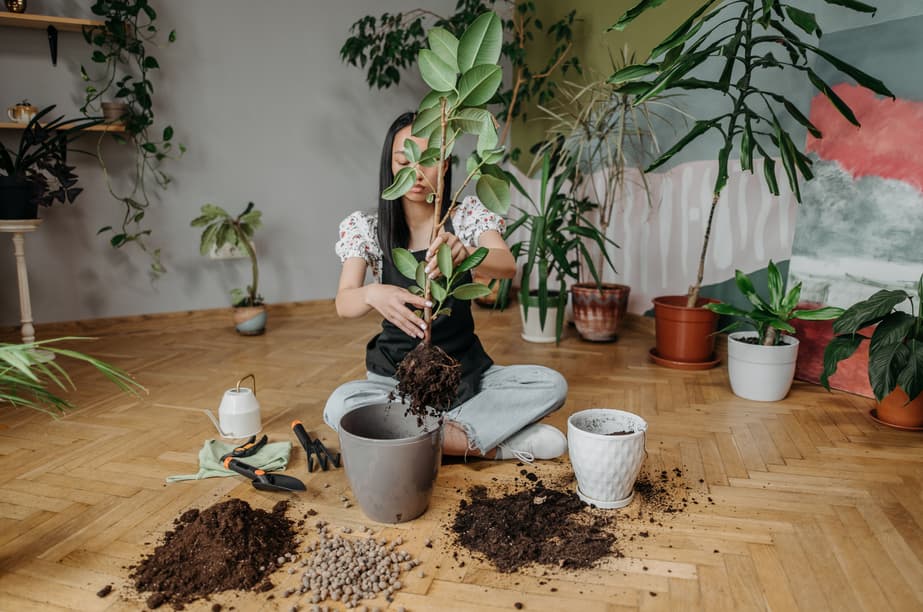
A woman sits on a wooden floor repotting a leggy houseplant with exposed roots, surrounded by soil piles, a grey planter, and expanded clay pebbles.

A houseplant that once looked compact and leafy can gradually develop long, thin stems, widely spaced leaves, and an uneven shape. If your plant looks stretched or sparse, learning how to fix leggy houseplants starts with understanding what causes this growth. Insufficient light is often the main culprit, but excess fertilizer, natural growth habits, and other growing conditions can also affect a plant’s appearance. The good news is that many leggy houseplants can produce healthier, more compact growth after you correct the underlying problem. Better lighting, careful pruning, and appropriate…

Read More

Why Are My Plant Leaves Turning Yellow AND Brown? (Diagnostic Guide)

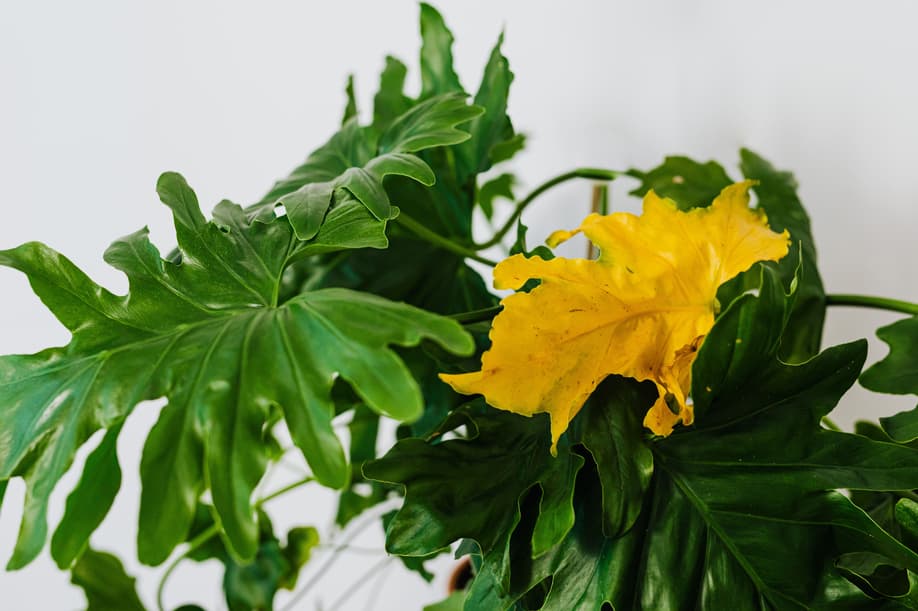
Image of a vibrant green Philodendron xanadu houseplant featuring a single prominent, bright yellow leaf indicating nutrient or water stress.

You notice yellow patches on your houseplant this morning. A few days later, those areas turn crisp and dead, leaving you with a chaotic mix of yellow and brown plant leaves. Should you grab the watering can, move the pot away from the window, or reach for fertilizer? When multiple symptoms strike at once, guessing the cure can accidentally kill your plant. Leaves act as a plant’s dashboard, and changing colors are distinct distress signals. This diagnostic guide will help you decode these visual warnings, find the exact environmental stressor,…

Read More

How to Fix Root Rot in Houseplants: A Step-by-Step Guide

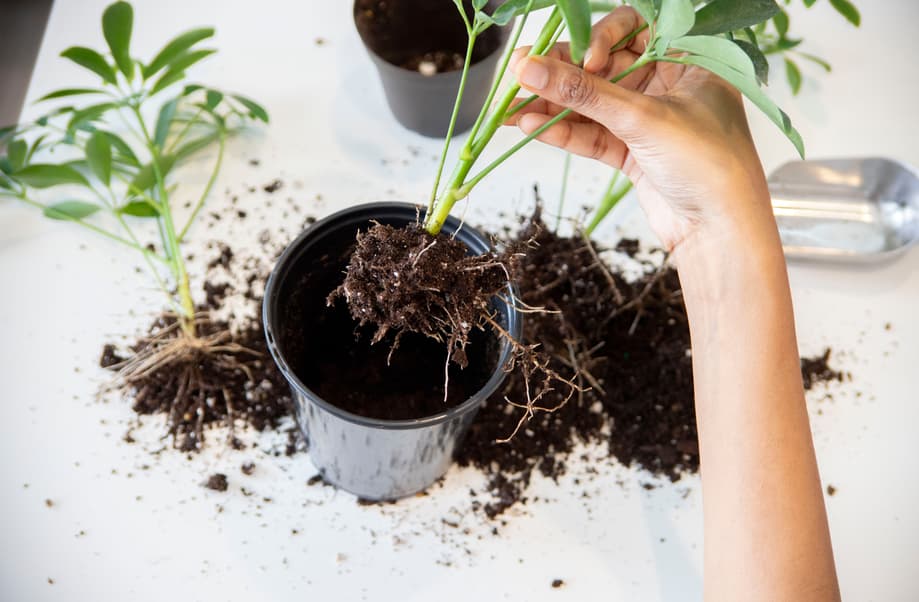
A person holding a green indoor houseplant showing exposed roots and dark potting soil over a white table during a repotting and root rot treatment session.

Root rot can be frustrating because the first visible symptoms often appear above the soil while the real damage is happening below it. A houseplant may wilt, develop yellow leaves, stop growing, or look thirsty even though its potting mix is still wet. The solution is not simply to water less. If roots have already begun to decay, the damaged tissue needs to be addressed and the conditions that allowed the problem to develop need to change. The good news is that a plant with some healthy roots remaining can…

Read More

How to Get Rid of Spider Mites on Indoor Plants: A Beginner’s Guide

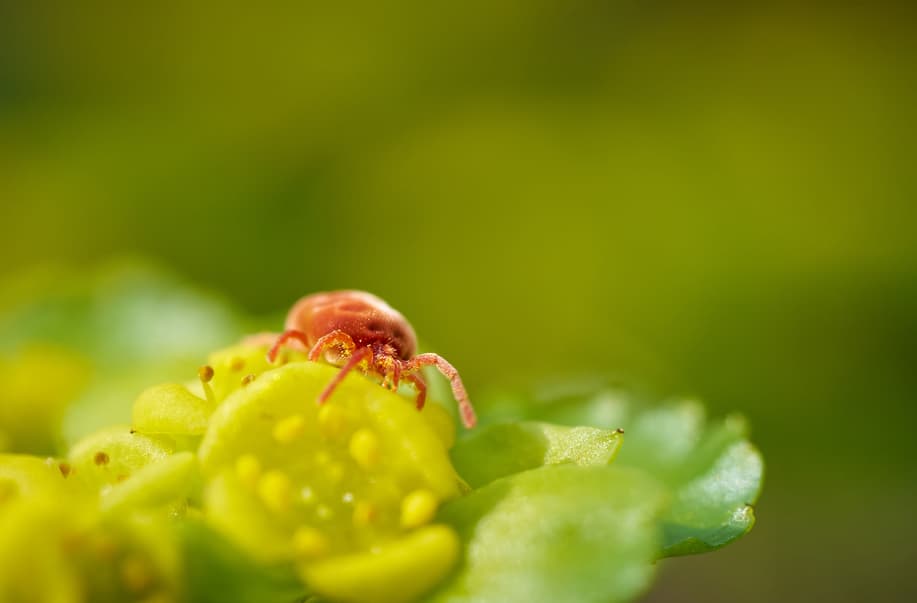
Macro photograph showing a tiny red spider mite crawling over bright yellow flower petals, showcasing common microscopic indoor plant pests.

Spider mites are among the most frustrating pests a houseplant owner can encounter. These tiny pests can reproduce quickly under favorable conditions and cause significant leaf damage before you realize there is a problem. If you are wondering how to get rid of spider mites on indoor plants, the first step is to identify the infestation early and understand the conditions that allow spider mites to thrive. With proper detection, isolation, plant care, and treatment, you can control an infestation and help your indoor plants recover. The good news is…

Read More