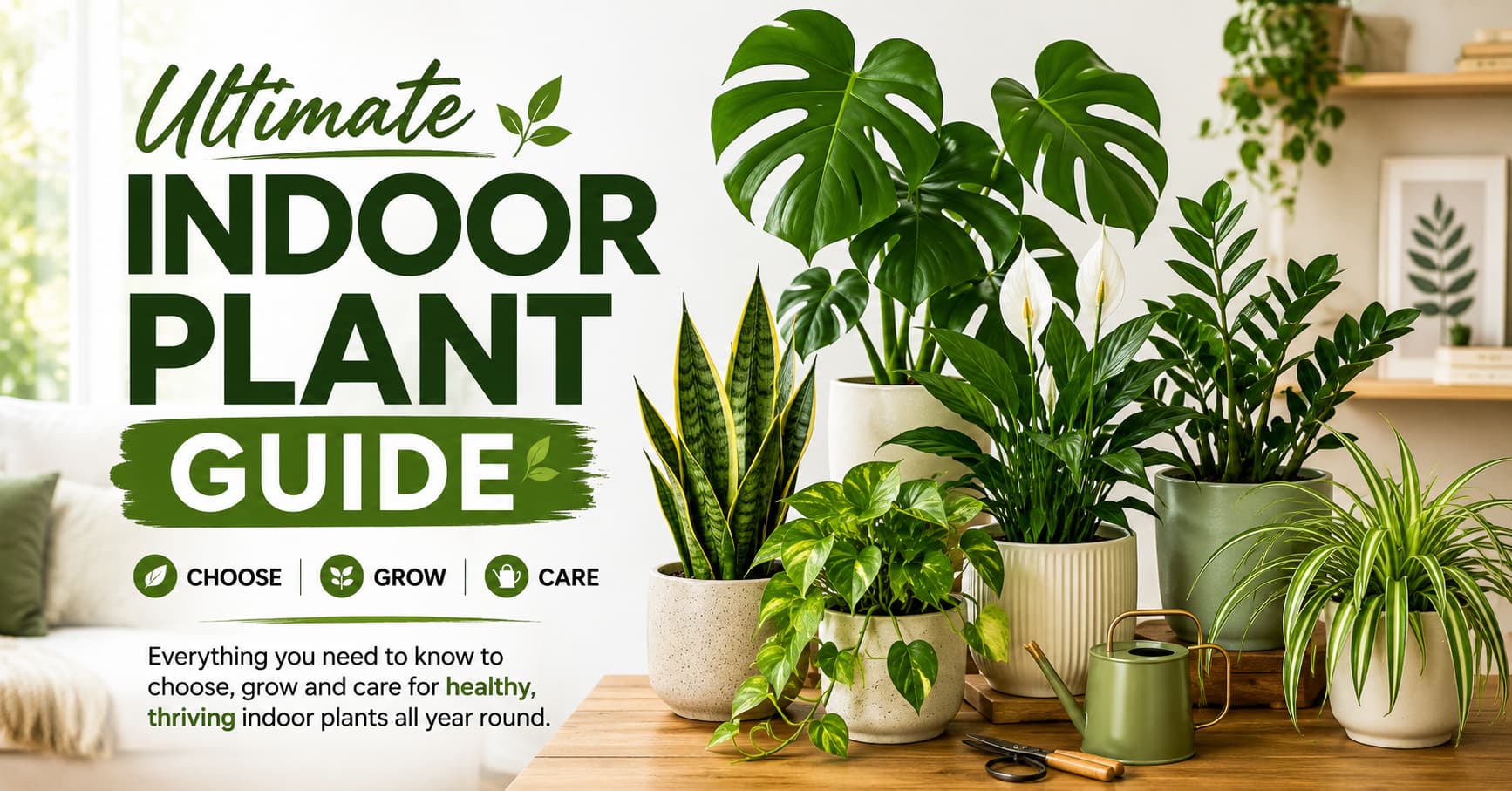
Indoor plants do more than decorate your home—they bring life, color, and a sense of calm to your living space. However, keeping houseplants healthy isn’t simply about watering them occasionally. Understanding the fundamentals of indoor plant care can mean the difference between vibrant, thriving plants and struggling ones. In this guide, you’ll learn everything you need to confidently care for your indoor plants, avoid common mistakes, and create a flourishing indoor garden all year.
What Is Indoor Plant Care?
Indoor plant care is the process of helping houseplants grow healthy by providing the right amount of light, water, humidity, nutrients, and regular maintenance. Good indoor plant care also includes choosing suitable soil, repotting when needed, and preventing common problems like overwatering and pests.
Indoor plant care refers to the daily and seasonal practices that keep houseplants healthy while growing inside homes, offices, or apartments.
These practices include:
• Watering correctly
• Providing suitable light
• Choosing the right soil
• Maintaining proper humidity
• Fertilizing when necessary
• Repotting as plants grow
• Preventing pests and diseases
• Regular pruning and cleaning
Unlike outdoor plants, houseplants rely entirely on you to provide the growing conditions they need. Small adjustments can make a significant difference in their long-term health.
- If you’re ready to choose your first houseplants or expand your indoor garden, explore our guide to 21 Best Indoor Plants for Every Home. You’ll discover beginner-friendly houseplants, low-maintenance favorites, and practical care tips to help you select the best indoor plants for your home and lifestyle.
Why Indoor Plants Need Different Care Than Outdoor Plants
One of the biggest mistakes beginners make is assuming indoor plants have the same needs as garden plants. It is important to understand that indoor environments are very different.
They usually have:
• Less natural sunlight
• Lower humidity
• More stable temperatures
• Limited soil space
• Restricted rainfall
Because of these differences, indoor plants depend on consistent care rather than natural weather conditions.
For example, a Monstera growing in its tropical rainforest habitat receives filtered sunlight, frequent rain, warm temperatures, and high humidity. The same plant growing in a living room depends entirely on your watering routine, light placement, and humidity levels.
Understanding these differences makes indoor plant care much easier. Instead of fighting against your home’s environment, the goal is to recreate the natural conditions your plants would enjoy outdoors. By providing the right balance of light, water, humidity, and soil, you’ll give your houseplants the best chance to grow healthy and thrive for years.
Choosing the Right Indoor Plants
Successful indoor plant care begins long before you bring a plant home. Choosing the right houseplants for your living space, lighting conditions, and lifestyle can dramatically improve your chances of success.
Whether you’re a beginner or an experienced plant enthusiast, selecting plants that suit your home means less maintenance, fewer problems, and healthier, more vibrant growth.
For readers who want to explore expert horticultural advice and learn more about plant species from around the world, the Royal Botanic Gardens, Kew offers an extensive collection of science-based gardening resources, plant information, and conservation research. It’s an excellent source for expanding your knowledge of indoor plants and their natural growing conditions.
Consider Your Light
Light is one of the most important factors in indoor plant care because it fuels photosynthesis—the process plants use to produce the energy they need to grow. Before choosing a houseplant, take a moment to assess how much natural light each room receives throughout the day. Matching a plant’s light requirements to your home’s conditions is one of the easiest ways to keep it healthy and thriving.
Ask yourself:
• Does the room receive bright sunlight?
• Is it shaded most of the day?
• Does the window face north, south, east, or west?
• Are there nearby buildings blocking sunlight?
Different plants have different lighting needs.
Low-Light Plants Ideal for:
• Bedrooms
• Hallways
• Offices
Examples include:
• Snake Plant
• ZZ Plant
• Cast Iron Plant
• Chinese Evergreen
Bright Indirect Light Plants
These enjoy bright rooms without prolonged direct afternoon sun.
Popular examples include:
• Monstera
• Pothos
• Philodendron
• Peace Lily
• Rubber Plant
Direct Sun Plants
Some indoor plants thrive in several hours of direct sunlight each day.
Examples include:
• Aloe Vera
• Jade Plant
• Ponytail Palm
• Many succulents
• Most cacti
Choosing the right plant for the available light is much easier than trying to change your home’s lighting conditions.
Match Plants to Your Lifestyle
Not everyone has the same amount of time to care for plants. If you’re often away from home or have a busy schedule, choose low-maintenance varieties.
Excellent beginner-friendly options include:
• Snake Plant
• ZZ Plant
• Pothos
• Spider Plant
• Cast Iron Plant
If you enjoy caring for plants more frequently, you might appreciate varieties that require consistent moisture and higher humidity, such as Boston Ferns or Prayer Plants.
Selecting plants that fit your routine helps prevent common care issues caused by irregular watering or unsuitable growing conditions.
Understanding Indoor Plant Light Requirements
| Light Level | Best Plants |
| Low Light | Snake Plant, ZZ Plant, Cast Iron Plant |
| Medium Light | Spider Plant, Dracaena, Chinese Evergreen |
| Bright Indirect Light | Monstera, Pothos, Philodendron |
| Direct Sun | Aloe Vera, Jade Plant, Ponytail Palm |
Light is the energy source that allows plants to produce food through photosynthesis. Without enough light, even healthy plants will eventually weaken.
Bright Direct Light
This means several hours of direct sunlight each day, often through south-facing windows in the Northern Hemisphere.
Suitable for:
• Succulents
• Aloe Vera
• Jade Plant
• Cacti
Bright Indirect Light
Bright indirect light is abundant natural light without the intense rays shining directly onto the leaves. This is the preferred environment for many popular houseplants, including:
• Monstera
• Peace Lily
• Philodendron
• Rubber Plant
• Pothos
Sheer curtains can help soften direct sunlight if needed.
Medium Light
Many adaptable indoor plants grow well in rooms with moderate daylight, example of such include:
• Dracaena
• Spider Plant
• Chinese Evergreen
Low Light
Low light doesn’t mean no light, these are areas that receive limited natural daylight but are still bright enough to comfortably read during the day; and plants that tolerate these conditions include:
• Snake Plant
• ZZ Plant
• Cast Iron Plant
Keep in mind that low-light plants typically grow more slowly than those receiving brighter conditions.
How Often Should You Water Indoor Plants?
Most indoor plants should be watered only when the top 2–5 cm of soil feels dry. Instead of watering on a fixed schedule, check the soil first, as watering needs vary depending on the plant, season, light, and humidity.
Watering Indoor Plants Correctly
Overwatering causes more houseplant problems than underwatering. Many beginners water on a fixed schedule without checking whether the soil actually needs moisture.
Instead, allow the plant to guide you.
Check the Soil First Before watering:
• Insert your finger about 2–5 cm into the soil.
• If it feels dry, it’s usually time to water.
• If it still feels damp, wait a few more days and check again.
This simple habit prevents many common issues.
Signs of Overwatering:
• Yellow leaves
• Soft stems
• Wilting despite wet soil
• Foul-smelling soil
• Root rot
Signs of Underwatering:
• Dry, crispy leaf edges
• Drooping leaves
• Dry soil pulling away from the pot
• Slow growth
Different plant species have different watering needs, so avoid using one watering schedule for every houseplant.
Water Thoroughly
When it’s time to water your indoor plants, water deeply rather than giving them small, frequent sips. A thorough watering encourages roots to grow deeper into the soil, resulting in a stronger, healthier plant.
Follow these simple steps:
• Water slowly and evenly around the base of the plant.
• Continue watering until excess water drains from the drainage holes.
• Allow the pot to drain completely before returning it to its decorative container or saucer.
• Empty any standing water from trays or cachepots to prevent the roots from sitting in water.
Deep watering promotes a stronger root system, helps plants absorb moisture more effectively, and reduces the risk of shallow root growth. Combined with watering only when the soil needs it, this is one of the most effective indoor plant care habits you can develop.
Use Pots With Drainage Holes
Proper drainage is one of the easiest ways to keep indoor plants healthy, and drainage holes help:
• Prevent waterlogged soil
• Improve oxygen around the roots
• Reduce the risk of root rot
• Promote stronger root development
Decorative cachepots can still be used, provided the inner growing pot has adequate drainage.
Humidity: An Overlooked Part of Indoor Plant Care
Many popular houseplants originate from tropical regions where humidity levels are much higher than in most homes. During winter, heating systems can make indoor air especially dry, causing plants to struggle even if they’re watered correctly.
Plants that enjoy higher humidity include:
• Monstera
• Peace Lily
• Boston Fern
• Prayer Plant
• Calathea
• Philodendron
If you notice brown leaf edges, curling leaves, or slow growth, low humidity may be contributing to the problem.
Easy Ways to Increase Humidity
You don’t need expensive equipment to improve humidity around your plants.
Try these simple methods:
• Group several plants together.
• Place a tray filled with pebbles and water beneath pots (without the pot sitting directly in the water).
• Use a humidifier in particularly dry rooms.
• Keep tropical plants away from heating vents and air conditioners.
Maintaining moderate humidity helps many indoor plants develop healthier foliage and stronger growth.
Choosing the Right Potting Soil
Not all potting mixes are the same. Using the wrong soil can lead to poor drainage, compacted roots, or excessive moisture retention.
Choose a mix based on the type of plant you’re growing.
Tropical Houseplants
Most tropical plants prefer a loose, well-draining mix that retains enough moisture without becoming soggy. And this is very suitable for:
• Monstera
• Pothos
• Philodendron
• Peace Lily
• Succulents and Cacti
These plants require fast-draining soil.
Look for cactus or succulent potting mixes that contain materials such as:
• Perlite
• Coarse sand
• Pumice
• Orchids
Orchids grow best in chunky bark-based mixes that allow plenty of airflow around their roots.
Using the correct soil is one of the simplest ways to reduce watering problems and encourage healthy root development.
Fertilizing Indoor Plants
Like all living plants, houseplants need nutrients to support healthy growth. Over time, the nutrients in potting soil become depleted, especially for plants that remain in the same container for months or years.
Fertilizer replenishes these nutrients, but more isn’t always better.
When to Fertilize
Most indoor plants benefit from feeding during their active growing season.
This is usually:
• Spring
• Summer
• Early autumn
Many plants naturally slow their growth during winter and require little or no fertilizer.
Types of Fertilizer
Common options include:
• Liquid fertilizer
• Slow-release granules
• Organic fertilizer
• Water-soluble fertilizer
Always follow the manufacturer’s instructions, as applying too much fertilizer can damage roots and leaves.
Signs Your Plant May Need Feeding
• Slow or stunted growth
• Pale leaves
• Smaller new leaves
• Reduced flowering in flowering plants
Healthy fertilizing is about supporting growth, not forcing it.
What is Potting?
Potting is the process of placing a plant into a pot or container filled with suitable growing medium (potting mix or soil).
For example:
Potting a new houseplant involves choosing the right container, adding fresh potting mix, placing the plant at the correct depth, and watering it thoroughly.
Potting vs. Repotting
Potting: Putting a plant into a pot for the first time.
Example: You buy a bare-root plant or a seedling and plant it in a container.
Repotting: Moving an already potted plant into a larger pot or replacing its old potting mix.
Example: Your Monstera has outgrown its current pot, so you move it to a larger one with fresh potting mix.
How and When to Repot Indoor Plants
Repotting gives your plants more room to grow and refreshes depleted soil.
Many beginners delay repotting for too long, allowing roots to become crowded inside the pot.
Signs It’s Time to Repot
Your plant may need a larger container if:
• Roots are growing through drainage holes.
• Water drains too quickly after watering.
• Growth has slowed despite proper care.
• The plant becomes top-heavy.
• Roots circle tightly around the root ball.
How to Repot Successfully
• Choose a pot only slightly larger than the current one.
• Add fresh potting mix to the new container.
• Gently loosen the roots if they’re tightly packed.
• Position the plant at the same depth as before.
• Fill around the roots with fresh soil.
• Water thoroughly after repotting.
Avoid choosing a pot that’s much larger than necessary, as excess soil can stay wet longer and increase the risk of root problems.
Pruning and Cleaning Houseplants
Regular maintenance helps plants look their best and encourages healthy growth.
Remove Dead or Damaged Leaves
Prune leaves that are:
• Yellow
• Brown
• Diseased
• Broken
Use clean, sharp scissors or pruning shears to make neat cuts.
Clean Dust from Leaves
Dust can build up on broad leaves over time, reducing the plant’s ability to absorb light efficiently. Simply wipe leaves gently with a damp cloth every few weeks.
Large-leaf plants such as Rubber Plants and Monsteras benefit particularly from occasional cleaning.
How To Prevent Common Indoor Plant Problems
Healthy houseplants are naturally more resilient to pests, diseases, and environmental stress. The good news is that most common indoor plant problems can be prevented with a few simple care habits. By paying attention to your plants and making small adjustments when needed, you’ll avoid many of the issues that frustrate beginner gardeners.
Avoid Overwatering
Overwatering is one of the most common causes of unhealthy indoor plants. Instead of watering on a fixed schedule, check the soil moisture first. Insert your finger about 2–5 cm into the soil—if it still feels damp, wait a few more days before watering again.
Provide Enough Light
Light plays a vital role in healthy plant growth. Without enough natural light, houseplants may develop weak stems, pale or yellowing leaves, and slow, leggy growth. Place each plant in a location that matches its light requirements to encourage strong, healthy development.
Improve Air Circulation
Good airflow helps reduce excess moisture around your plants and lowers the risk of fungal diseases. Avoid overcrowding pots, especially in humid areas, and leave enough space between plants so air can circulate freely around the leaves.
Inspect Plants Regularly
Take a few minutes each week to examine your plants for early signs of trouble. Check both the tops and undersides of the leaves for:
• Tiny insects or webs
• Sticky residue
• Yellow or brown spots
• Holes or damaged leaves
• Wilting or distorted new growth
Identifying problems early makes them much easier to manage before they spread to other houseplants.
Keep Leaves Clean
Dust can build up on plant leaves over time, reducing their ability to absorb sunlight efficiently. Wipe broad leaves gently with a soft, damp cloth every few weeks to keep them clean and healthy. Besides improving photosynthesis, clean foliage also makes it easier to spot pests and other issues.
Isolate New Plants
Before placing a newly purchased houseplant alongside your existing collection, keep it separate for one to two weeks. This simple precaution allows you to monitor for pests or diseases and helps protect the rest of your indoor garden from potential infestations.
By following these preventative care practices, you’ll spend less time solving plant problems and more time enjoying healthy, vibrant houseplants. Consistent observation and proper indoor plant care are the keys to helping your plants thrive throughout the year.
What Is the Most Common Indoor Plant Care Mistake?
The most common indoor plant care mistake is overwatering. Too much water can lead to root rot, yellow leaves, and poor plant health. Always check the soil before watering instead of following a fixed schedule.
Common Indoor Plant Care Mistakes to Avoid
Even experienced gardeners make mistakes from time to time. The good news is that most indoor plant problems are easy to prevent once you understand what your houseplants need. Avoiding these common mistakes will help your plants stay healthier, grow more vigorously, and last for many years.
1. Watering on a Fixed Schedule
One of the biggest mistakes beginners make is watering every few days without checking the soil first. Plants don’t use water at the same rate throughout the year—factors such as light, temperature, humidity, and the season all affect how quickly the soil dries out.
Instead of following the calendar, check the soil moisture with your finger before watering. This simple habit greatly reduces the risk of overwatering and root rot.
2. Choosing Plants for the Wrong Light
Every plant has different lighting requirements. A sun-loving succulent is unlikely to thrive in a dim corner, while a low-light houseplant may struggle if exposed to hours of intense afternoon sun.
Before buying a plant, assess the natural light available in your home and choose varieties that are well suited to those conditions. Matching plants to the right environment is one of the easiest ways to ensure long-term success.
3. Ignoring Drainage
Proper drainage is essential for healthy roots. Pots without drainage holes can trap excess water, leaving the soil constantly wet and increasing the risk of root rot.
Whenever possible, choose containers with drainage holes and use a well-draining potting mix. If you prefer decorative pots without drainage, place the plant in a plastic nursery pot inside the decorative container and remove it when watering.
4. Using Too Much Fertilizer
More fertilizer doesn’t always produce healthier plants. In fact, overfeeding can damage roots, cause brown leaf edges, and lead to a build-up of salts in the soil.
Feed your plants only during their active growing season and always follow the recommended application rates. A balanced approach is far more effective than frequent heavy feeding.
5. Moving Plants Too Often
Houseplants need time to adjust to their surroundings. Frequently moving them from one room to another can expose them to changing light levels, temperatures, and humidity, causing unnecessary stress.
Once you’ve found a suitable location, allow your plant to settle and only relocate it if there’s a genuine need.
6. Forgetting to Rotate Pots
Plants naturally grow towards their light source, which can cause them to lean or develop unevenly over time.
Rotate your pots about a quarter turn every one to two weeks to encourage balanced growth and help all sides of the plant receive equal light. This simple habit keeps your houseplants looking fuller, healthier, and more symmetrical.
Indoor Plant Care Checklist
Use this simple checklist to keep your houseplants in excellent condition:
✓ Check soil moisture before watering.
✓ Place plants in suitable light.
✓ Dust leaves regularly.
✓ Inspect for pests each week.
✓ Fertilize during the growing season.
✓ Increase humidity for tropical plants if needed.
✓ Rotate pots for even growth.
✓ Repot when roots become crowded.
✓ Remove damaged or dead leaves.
✓ Observe your plants regularly—small changes often reveal what they need.
Keeping a simple routine makes indoor plant care easier and helps your plants stay healthy throughout the year.
- If you’d like to deepen your gardening knowledge, the National Gardening Association provides trusted resources on houseplant care, gardening techniques, plant identification, and seasonal growing tips. Their educational content is ideal for both beginners and experienced gardeners looking to improve their indoor gardening skills.
Frequently Asked Questions (FAQs)
1. How often should I water indoor plants?
There isn’t a one-size-fits-all schedule. Watering depends on the plant species, pot size, soil type, season, humidity, and light levels. Instead of watering on a fixed schedule, check the soil first. If the top 2–5 cm feels dry, it’s usually time to water.
2. What is the easiest indoor plant for beginners?
Several houseplants are well suited to beginners because they’re forgiving and require minimal maintenance. Some of the easiest include:
• Snake Plant
• ZZ Plant
• Pothos
• Spider Plant
• Cast Iron Plant
• Peace Lily
These plants tolerate occasional watering mistakes and adapt well to typical indoor environments.
3. Why are my indoor plant leaves turning yellow?
Yellow leaves can result from several factors, including:
• Overwatering
• Underwatering
• Poor drainage
• Insufficient light
• Natural ageing of older leaves
• Nutrient deficiencies
Check the soil moisture, lighting conditions, and overall health of the plant before making adjustments.
4. Do indoor plants need direct sunlight?
No. While some houseplants, such as Aloe Vera and Jade Plants, enjoy direct sunlight, many popular indoor plants thrive in bright, indirect light.
Plants like Monstera, Pothos, Philodendron, and Peace Lily generally prefer filtered sunlight rather than intense afternoon sun.
5. How do I know when my indoor plant needs repotting?
Your plant may need a larger pot if:
• Roots grow through the drainage holes.
• Water drains away unusually quickly.
• Growth slows despite proper care.
• The plant becomes unstable or top-heavy.
• Roots are tightly packed around the root ball.
Most houseplants benefit from repotting every one to three years, depending on their growth rate.
6. Should I fertilize indoor plants during winter?
Most indoor plants grow more slowly during winter and therefore need less fertilizer. In many cases, feeding can be reduced or paused until active growth resumes in spring.
Always follow the fertilizer instructions for your specific plant and avoid overfeeding.
7. Can indoor plants survive in low-light rooms?
Yes, but choosing the right species is important. Plants such as Snake Plant, ZZ Plant, Chinese Evergreen, and Cast Iron Plant tolerate lower light conditions much better than sun-loving plants.
Even low-light plants still require some natural or artificial light to remain healthy.
Key Takeaways:
• Indoor plant care begins with choosing plants that match your home’s lighting conditions.
• Water according to soil moisture, not a fixed schedule.
• Use well-draining soil and containers with drainage holes.
• Most houseplants thrive in bright, indirect light.
• Tropical plants often benefit from increased humidity.
• Fertilize during the active growing season, but avoid overfeeding.
• Repot plants when they become root-bound.
• Inspect your plants regularly to catch pests and other issues early.
• Consistent care and observation are more effective than complicated routines.
Practical Action Steps
If you’re just starting your indoor gardening journey, these simple steps will help you build healthy habits and keep your plants thriving:
Week 1:
• Assess the natural light in each room.
• Group plants according to their light requirements.
• Check that every pot has proper drainage.
Week 2:
• Begin checking soil moisture before watering.
• Remove dead or damaged leaves.
• Clean dust from broad leaves with a damp cloth.
Week 3:
• Inspect plants for signs of pests or disease.
• Rotate pots to encourage even growth.
• Monitor humidity if growing tropical plants.
Week 4 and Beyond
• Fertilize during the growing season if needed.
• Repot plants showing signs of becoming root-bound.
• Continue observing your plants and adjust care based on their growth and appearance.
Small, consistent actions are often the key to long-term success with indoor plants.
In Conclusion
Successful indoor plant care isn’t about following complicated rules—it’s about understanding what your plants need and responding consistently. By providing the right balance of light, water, humidity, nutrients, and occasional maintenance, you can enjoy healthy, vibrant houseplants throughout the year.
Whether you’re caring for your very first Snake Plant or expanding an indoor jungle filled with tropical favorites, patience and regular observation will help your confidence grow alongside your plants. As you gain experience, you’ll find that even small improvements in your routine can make a noticeable difference in the health and beauty of your indoor garden.
If you’re looking for beginner-friendly recommendations, continue with our guide to 21 Best Indoor Plants for Every Home (Easy to Grow Year-Round) to discover easy-care houseplants that suit every room and lifestyle.