Snake Plant Care is surprisingly simple, making snake plants one of the easiest and most rewarding houseplants to grow. While these resilient plants tolerate missed waterings, low light, and typical indoor conditions better than many other houseplants, they don’t truly thrive on neglect alone. Understanding their basic care requirements will help your snake plant stay healthy, vibrant, and beautiful for many years.
Native to tropical West Africa, the snake plant is valued for its upright architectural leaves, exceptional drought tolerance, and ability to adapt to a wide range of indoor environments. Whether placed in a sunny living room, a moderately lit office, or a bedroom with indirect light, it can remain an attractive focal point for many years when cared for properly.
New to houseplants? Our guide to indoor gardening for beginners explains the essential skills every new plant owner should know before growing more plants.
If you’ve recently bought your first snake plant—or you’re trying to revive one that has stopped growing or developed yellow leaves—this guide will walk you through everything you need to know. You’ll learn how to provide the right amount of light, water, soil, and nutrients, recognize common problems before they become serious, and understand the small adjustments that make a big difference in long-term plant health.
Instead of relying on myths such as “never water a snake plant” or “it thrives anywhere,” you’ll discover practical, evidence-informed care advice that helps you grow a vigorous plant rather than one that merely survives.
Snake Plant at a Glance
| Features | Details |
| Common Name | Snake Plant, Mother-in-Law’s Tongue |
| Botanical Name | Dracaena trifasciata |
| Former Botanical Name | Sansevieria trifasciata |
| Plant Type | Evergreen succulent perennial |
| Native Range | Tropical West Africa |
| Mature Height | 15 cm–2 m depending on variety |
| Growth Rate | Slow to moderate |
| Light | Bright indirect light is ideal; tolerates lower light |
| Water | Allow soil to dry completely before watering |
| Humidity | Average household humidity |
| Temperature | 18–30°C |
| Soil | Fast-draining succulent or cactus mix |
| Difficulty | Very Easy |
| Pet Safety | Toxic if chewed by cats and dogs |
Although many gardeners still use the name Sansevieria, modern botanical classification places snake plants within the genus Dracaena. Both names are widely recognized, so you’ll often see them used interchangeably.
Looking for reliable botanical information? The USDA PLANTS Database provides authoritative details on scientific names, plant taxonomy, native ranges, and verified plant characteristics.
What Is a Snake Plant?
Snake plants are evergreen flowering plants known for their stiff, upright, sword-shaped leaves that emerge directly from underground rhizomes. Their striking vertical growth and bold leaf patterns make them popular in both modern and traditional interior spaces.
Unlike many leafy tropical houseplants, snake plants store water inside their thick leaves. This adaptation allows them to survive prolonged dry periods and makes them much more forgiving if you occasionally forget to water them.
Different varieties vary considerably in appearance. Some stay compact enough for desks or shelves, while others can grow well over a meter tall, making dramatic floor plants.
Although snake plants are often described as “indestructible,” they still have preferences. Most serious problems arise not from neglect but from too much attention—especially excessive watering and poorly draining soil.
Why Snake Plants Are So Popular
Snake plants have remained among the world’s most recommended houseplants for several good reasons.
Extremely Low Maintenance
Unlike many indoor plants that demand frequent watering or high humidity, snake plants require relatively little routine care. Their drought-tolerant nature makes them ideal for busy households and people who travel frequently.
Adaptable to Indoor Conditions
Most homes experience changing light levels throughout the year. Snake plants adapt remarkably well, growing in bright indirect light while also tolerating lower-light rooms where many plants struggle.
Attractive Year-Round
Their upright leaves retain their structure throughout the year without producing excessive leaf drop, giving interiors a consistently tidy appearance.
Long Lifespan
With proper care, a snake plant can remain healthy for decades. Mature plants gradually produce new shoots from underground rhizomes, eventually forming impressive clumps.
Suitable for Beginners
Many common houseplant mistakes—such as occasionally forgetting to water—are less likely to harm a snake plant than more delicate species.
Popular Types of Snake Plants
Although their care requirements are broadly similar, different varieties vary in size, color, and growth habit.
| Variety | Distinguishing Features | Best For |
| Dracaena trifasciata ‘Laurentii’ | Yellow-edged upright leaves | Beginners |
| ‘Zeylanica’ | Gray-green banded foliage | Low-maintenance interiors |
| ‘Moonshine’ | Silvery-green leaves | Contemporary décor |
| ‘Black Gold’ | Dark green leaves with golden margins | Decorative displays |
| ‘Hahnii’ (Bird’s Nest Snake Plant) | Compact rosette growth | Desks and shelves |
| ‘Cylindrica’ | Rounded cylindrical leaves | Modern interiors |
| ‘Whale Fin’ | Single enormous paddle-shaped leaf | Statement plant collectors |
Although each variety has a unique appearance, the same basic principles of watering, lighting, and soil apply to all of them.
Snake Plant Care Requirements at a Glance
| Care Factor | Recommendation |
| Light | Bright indirect light is best |
| Direct Sun | Gentle morning sun is acceptable |
| Low Light | Tolerated, but slower growth |
| Watering | Only after soil dries completely |
| Soil | Fast-draining succulent mix |
| Fertilizer | Light feeding during active growth |
| Humidity | Average indoor humidity |
| Repotting | Every 2–4 years or when root-bound |
| Pruning | Remove damaged leaves at the base |
Light Requirements for Healthy Growth
Light has the greatest influence on how quickly a snake plant grows and how vibrant its leaves remain.
Although snake plants tolerate low light better than many houseplants, “tolerate” should not be confused with “prefer.” A plant kept in a dim corner may survive for years but often grows very slowly, produces fewer new leaves, and may gradually lose some of its characteristic variegation.
For the healthiest growth, place your snake plant where it receives plenty of bright, indirect light for much of the day. An east-facing window is often an excellent choice because it provides gentle morning sunlight without exposing the plant to prolonged afternoon heat.
South- or west-facing windows can also work well if the plant is positioned slightly back from the glass or protected by a sheer curtain that softens intense midday sunlight.
Can Snake Plants Grow in Low Light?
Yes—but expect slower growth.
A snake plant in low light typically:
• produces fewer new leaves
• grows more slowly
• develops smaller leaves
• may become less vibrant over time
If your room receives very little natural light, rotating the plant into a brighter location every few weeks will not compensate for consistently poor lighting. Plants respond best to stable conditions.
Signs Your Snake Plant Needs More Light
Watch for these common indicators:
• Very slow or no new growth during the growing season
• Narrower-than-normal leaves
• Leaves leaning strongly toward a window
• Loss of vibrant variegation
• Weak overall growth
If you notice several of these symptoms, gradually move the plant to a brighter location over one to two weeks to reduce stress.
Can Snake Plants Grow in Direct Sunlight?
Established plants can tolerate some direct sun, particularly gentle morning sunlight. However, sudden exposure to intense afternoon sun—especially after growing in low light—can scorch the leaves.
Signs of sun damage include:
• bleached patches
• brown dry spots
• crispy leaf edges
Whenever changing light conditions, make adjustments gradually so the plant has time to acclimate.
Temperature Requirements
Snake plants thrive in the temperatures found in most homes.
The ideal range is approximately 18–30°C, making them well suited to indoor environments throughout the year.
Avoid exposing them to temperatures below 10°C, as prolonged cold can damage leaf tissue and increase the risk of root problems.
Keep plants away from:
• cold drafts near frequently opened doors
• air-conditioning vents
• heaters
• fireplaces
• drafty windows during cold weather
Rapid temperature fluctuations are generally more stressful than consistently warm conditions.
Humidity Requirements
Unlike many tropical houseplants, snake plants do not require high humidity to thrive.
Average household humidity is usually sufficient, and there is no need for routine misting.
In fact, constantly wet foliage may encourage fungal issues if air circulation is poor.
Instead of increasing humidity unnecessarily, focus on providing:
• good airflow
• appropriate watering
• well-draining soil
These factors have a much greater influence on long-term plant health than humidity alone.
Choosing the Best Location Indoors
When deciding where to place your snake plant, consider both light and convenience.
Good locations include:
• Bright living rooms with filtered sunlight
• Home offices near east-facing windows
• Bedrooms with moderate indirect light
• Hallways with reasonable natural light
• Dining rooms that receive several hours of daylight
Avoid placing the plant in dark interior rooms with no natural light unless supplemental grow lights are available.
Also keep it away from areas where people or pets frequently brush against the stiff leaves, as repeated mechanical damage can leave permanent marks.
Quick Placement Checklist
✔ Receives bright indirect light for several hours daily
✔ Protected from harsh afternoon sun
✔ Away from cold drafts
✔ Away from heating vents
✔ Good air circulation
✔ Easy to inspect before watering
Choosing the Best Soil for Snake Plants
The right soil is one of the most important factors in successful snake plant care. While these plants tolerate occasional neglect, they are far less forgiving of soil that stays wet for too long.
In their native habitat, snake plants grow in coarse, sandy, well-drained soils where excess water quickly drains away from their roots. Recreating those conditions indoors greatly reduces the risk of root rot and encourages healthy root development.
The ideal potting mix should drain freely while retaining just enough moisture for the roots to absorb between waterings.
What Makes a Good Snake Plant Soil Mix?
A suitable growing medium should:
• Drain quickly after watering
• Contain plenty of air spaces around the roots
• Resist becoming compacted over time
• Dry evenly without remaining soggy
Commercial cactus or succulent potting mixes are usually a good choice because they are formulated for plants that prefer drier conditions.
If you enjoy making your own mix, you can improve a standard indoor potting mix by adding coarse materials that increase drainage.
A balanced homemade mix often includes:
• 2 parts quality indoor potting mix
• 1 part perlite or pumice
• 1 part coarse horticultural sand
This creates a loose, airy medium that helps excess moisture escape while supporting healthy root growth.
If water remains on the soil surface for more than a few seconds before soaking in, or if the soil stays wet for over a week under normal indoor conditions, it is probably too dense for a snake plant.
Soil Ingredients to Look For
Good snake plant mixes often contain:
• Perlite
• Pumice
• Coarse sand
• Pine bark fines
• Coconut coir (in moderation)
These materials improve drainage and increase oxygen around the roots.
Soil to Avoid
Avoid using:
• Heavy garden soil
• Dense clay soil
• Pure compost
• Moisture-retaining potting mixes designed for thirsty tropical plants
These materials hold excessive moisture and significantly increase the risk of root rot.
Healthy roots begin with the right growing medium. Learn how to choose the best soil for indoor plants for stronger roots, improved drainage, and healthier growth.
Choosing the Right Pot
Even the best soil cannot compensate for a poor container.
Snake plants prefer pots that allow excess water to drain freely. Containers without drainage holes trap water around the roots, creating ideal conditions for fungal diseases.
Best Pot Materials
1. Terracotta Pots
Terracotta is often considered the best option because the porous clay allows moisture to evaporate through the pot walls.
Advantages include:
• Faster drying soil
• Better airflow
• Lower risk of overwatering
• Added stability for taller plants
2. Plastic Pots
Plastic containers retain moisture longer than terracotta.
They work well if you water carefully, but they require closer attention because the soil dries more slowly.
3. Ceramic Pots
Glazed ceramic pots are attractive and suitable, provided they include drainage holes.
Their heavier weight also helps prevent tall snake plants from tipping over.
Pot Size Matters
Many beginners assume that a larger pot encourages faster growth.
In reality, using an oversized container often creates problems.
Extra soil around a small root system stays wet much longer than necessary, increasing the risk of root rot.
As a general rule:
Choose a pot only 2–5 cm wider than the current root ball.
Snake plants actually perform well when slightly root-bound, so there is no need to move them into dramatically larger containers.
How to Water a Snake Plant Properly
Overwatering is the single most common reason snake plants fail indoors. If you want more science-backed advice on growing healthier houseplants? Explore the University of Minnesota Extension for expert guidance on watering, fertilizing, pruning, pests, soils, and plant care.
Unlike many leafy houseplants, snake plants store water inside their thick leaves and underground rhizomes. This natural reservoir allows them to tolerate dry periods much better than constantly wet soil.
The goal is not to water on a fixed schedule but to water only when the soil has dried thoroughly.
The Best Watering Rule
Rather than watering every week or every two weeks, check the soil first.
Water only when the potting mix is completely dry several centimeters below the surface.
This approach is far more reliable because drying time depends on many factors, including:
• Light levels
• Temperature
• Humidity
• Pot size
• Soil type
• Time of year
How to Check If the Soil Is Dry
Several methods work well.
Finger Test
Insert your finger 5–7 cm into the soil.
If it still feels cool or damp, wait a few more days.
Wooden Chopstick Method
Insert a clean wooden chopstick deep into the soil.
If it comes out damp or with soil sticking to it, the plant does not need water yet.
Moisture Meter
A moisture meter can be helpful for beginners, especially with large containers, but it should be used as a guide rather than an absolute measure.
How to Water Correctly
When it is finally time to water:
1. Slowly pour water over the entire soil surface.
2. Continue until water drains freely from the drainage holes.
3. Allow the pot to drain completely.
4. Empty any saucer or decorative cachepot after draining.
Never allow the pot to sit in standing water.
Seasonal Watering
Snake plants use water at different rates throughout the year.
Spring and Summer
During active growth, the soil dries more quickly.
Most plants need watering more frequently, although always check the soil first.
Autumn
Growth begins slowing.
Watering intervals usually become longer.
Winter
Snake plants enter a period of reduced growth.
Because they use much less water, the soil stays dry for longer.
This is when overwatering causes the greatest number of problems.
Signs You’re Watering Too Much
Watch for:
• Yellow leaves
• Mushy leaf bases
• Soft leaves
• Foul-smelling soil
• Persistent wet soil
• Wilting despite moist soil
• Root rot
If several of these symptoms appear together, stop watering immediately and inspect the roots.
Signs Your Plant Needs Water
A thirsty snake plant may show:
• Slight wrinkling
• Mild inward curling
• Dry potting mix
• Slower growth
Fortunately, underwatering is usually much easier to correct than overwatering.
Watering mistakes cause more houseplant problems than almost anything else. Learn how to water indoor plants correctly to prevent root rot and dehydration.
Fertilizing Snake Plants
Snake plants are naturally slow-growing and have relatively modest nutrient requirements.
Overfeeding often causes more harm than underfeeding.
Do Snake Plants Need Fertilizer?
Yes—but only during active growth.
Plants growing in fresh potting mix often contain enough nutrients for several months.
After that, light feeding during spring and summer helps support healthy foliage.
Best Fertilizer
A balanced liquid houseplant fertilizer diluted to half the manufacturer’s recommended strength usually works well.
Alternatively, fertilizers formulated specifically for succulents and cacti are also suitable.
How Often Should You Fertilize?
During spring and summer:
• Feed approximately once every 4–6 weeks.
During autumn and winter:
• Stop fertilizing or reduce feeding significantly, as the plant’s growth naturally slows.
Avoid Excess Fertilizer
Applying too much fertilizer can result in:
• Brown leaf tips
• Salt buildup in the soil
• Root damage
• Weak growth
Less is generally better.
Feeding your plant correctly encourages healthier growth. Learn how to fertilize indoor plants safely without overfeeding or damaging roots throughout the growing season.
Cleaning the Leaves
Dust gradually accumulates on snake plant leaves, especially indoors.
Besides affecting appearance, heavy dust can slightly reduce the amount of light reaching the leaf surface.
Every few weeks:
• Wipe each leaf gently with a soft, damp microfiber cloth.
• Support taller leaves with your free hand.
• Avoid using leaf-shining products, which can clog the leaf surface and leave residues.
Clean leaves not only look healthier but also make it easier to spot pests or early signs of disease.
Should You Mist a Snake Plant?
No.
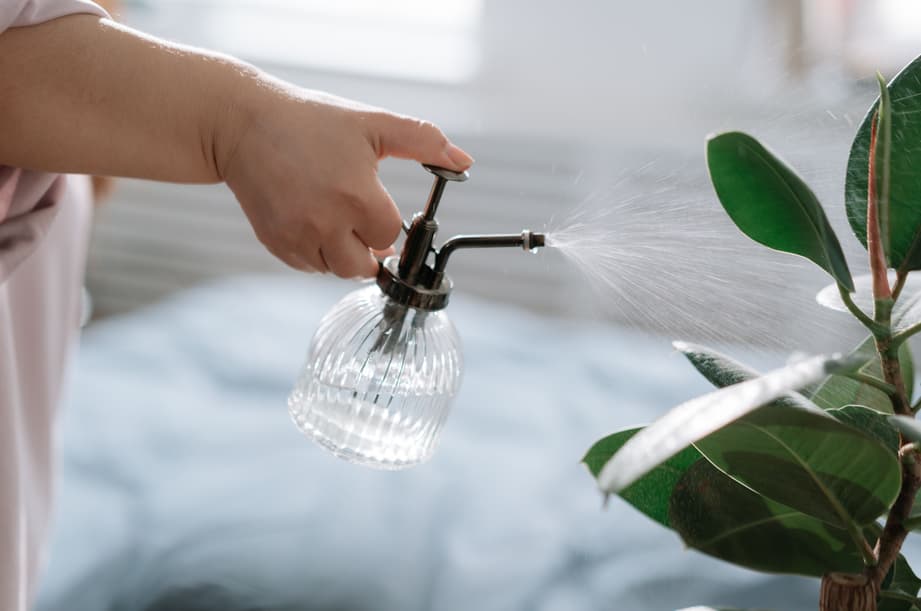
Unlike humidity-loving tropical plants, snake plants do not require regular misting.
Frequent misting can leave moisture trapped between tightly clustered leaves, increasing the risk of fungal problems in poorly ventilated areas.
Instead, maintain good airflow and water the soil—not the foliage.
Rotating Your Snake Plant
Plants naturally grow toward their strongest light source.
To maintain balanced, upright growth:
Rotate the pot about a quarter turn every few weeks.
Avoid rotating too frequently, as constant changes in orientation can slow adjustment to available light.
How Fast Do Snake Plants Grow?
Snake plants are naturally slow to moderately growing houseplants. While they won’t grow as quickly as plants like pothos or spider plants, they can still produce steady new growth under the right conditions.
Growth rate depends on several key factors:
Light intensity – Bright, indirect light promotes faster growth than low-light conditions.
Temperature – Warm temperatures during the growing season encourage new leaves and rhizome development.
Nutrition – Occasional feeding with a balanced houseplant fertilizer supports healthy growth.
Pot size – A slightly root-bound plant grows well, but an overcrowded pot can eventually slow growth.
Plant variety – Some cultivars naturally grow faster than others.
Overall plant health – Proper watering, well-draining soil, and healthy roots are essential for consistent growth.
During spring and summer, a healthy snake plant kept in bright, indirect light may produce several new leaves and offsets (pups). In contrast, plants grown in low-light conditions or during fall and winter may show little to no visible growth for several months.
It’s important not to mistake slow growth for poor health. Snake plants are naturally slow growers, and a healthy specimen can remain vibrant, upright, and green even when it isn’t producing new leaves. As long as the foliage is firm, the roots are healthy, and the plant shows no signs of stress, slow growth is completely normal.
When to Repot a Snake Plant
One of the reasons snake plants are so easy to care for is that they don’t need frequent repotting. In fact, they often grow best when they’re slightly root-bound, meaning their roots comfortably fill the pot.
Repotting too often can unnecessarily stress the plant, while waiting too long may restrict growth or cause the container to crack as underground rhizomes expand.
Most healthy snake plants only need repotting every 2–4 years, although fast-growing varieties may need it sooner.
Signs Your Snake Plant Needs Repotting
Look for these signs:
• Roots growing through the drainage holes
• Roots circling tightly around the root ball
• The plant dries out much faster than before
• New shoots are crowded against the edge of the pot
• The container becomes unstable because the plant is top-heavy
• Cracked or bulging plastic pots caused by expanding rhizomes
A single root emerging from a drainage hole isn’t always a reason to repot. Instead, look for several signs together before deciding.
The Best Time to Repot
The ideal time is during spring or early summer, when the plant is actively growing. At this stage, it can recover more quickly and establish itself in fresh potting mix.
Avoid repotting in winter unless it’s necessary because of root rot, a broken pot, or another urgent issue.
Step-by-Step Repotting Guide
1. Water the plant lightly a day or two beforehand if the soil is extremely dry.
2. Choose a pot only 2–5 cm wider than the current one.
3. Prepare a fresh, well-draining potting mix.
4. Carefully remove the plant while supporting the leaves near the base.
5. Gently loosen compacted roots if needed.
6. Trim away any dead, black, or mushy roots using clean, sterilized pruners.
7. Place the plant at the same depth as it was growing previously.
8. Fill around the roots with fresh soil and lightly firm it without compacting.
9. Wait a few days before watering to allow any damaged roots to begin healing.
It is very important to avoid burying the base of the leaves deeper than before. Planting too deeply can trap moisture around the crown and encourage rot.
When roots outgrow their pot, proper repotting is essential. Follow our guide on how to repot indoor plants without causing unnecessary transplant stress or damage to the plant.
How to Propagate a Snake Plant
Propagation is an easy way to create new plants from an existing one. It’s also useful for rejuvenating older, overcrowded specimens.
There are two reliable methods:
• Division
• Leaf cuttings
Method 1: Division (Recommended)
Division is the fastest and most reliable method because each new plant already has an established root system.
Best Time
Spring or early summer.
Steps:
1. Remove the plant from its pot.
2. Locate natural clumps connected by thick rhizomes.
3. Use a clean knife or pruners to separate the clumps.
4. Ensure each division has healthy roots and several leaves.
5. Pot each section into fresh, well-draining soil.
6. Water lightly after several days.
Advantages
• Faster establishment
• New growth appears sooner
• Variegated varieties retain their original leaf patterns
Method 2: Leaf Cuttings
Leaf cuttings are simple but require more patience.
Steps:
1. Choose a healthy mature leaf.
2. Cut it into sections approximately 8–10 cm long.
3. Mark which end was originally closest to the roots.
4. Allow the cut ends to dry and callus for one or two days.
5. Insert the lower end into slightly moist propagation mix.
6. Place in bright, indirect light.
Rooting usually takes several weeks, and new shoots may not appear for several months.
Important Note About Variegated Varieties
Leaf cuttings taken from variegated cultivars such as ‘Laurentii’ often produce solid green offspring because the yellow leaf margins are not genetically stable through this propagation method.
If you want to preserve variegation, divide the plant instead.
Do Snake Plants Flower Indoors?
Although uncommon, mature snake plants sometimes flower indoors.
Their flowers appear on tall stalks bearing clusters of small, creamy white or pale green blooms that are often pleasantly fragrant in the evening.
Flowering is generally associated with:
• Mature plants
• Bright growing conditions
• Slight root restriction
• Consistent care
A snake plant does not need to flower to be healthy. Many thriving indoor specimens never bloom.
Common Snake Plant Problems and How to Fix Them
Even resilient plants occasionally develop problems. Fortunately, most issues can be corrected if caught early.
Yellow Leaves
Yellowing is one of the most common concerns.
Possible Causes:
• Overwatering
• Poor drainage
• Root rot
• Natural aging of older leaves
• Sudden environmental changes
What to Do:
• Check the soil moisture.
• Inspect the roots if overwatering is suspected.
• Remove severely damaged leaves.
• Adjust your watering routine.
If only one older outer leaf turns yellow while the rest of the plant looks healthy, it’s often part of the normal aging process.
Brown Leaf Tips
Brown tips may result from:
• Physical damage
• Fertilizer salt buildup
• Very dry conditions
• Inconsistent watering
Trim only the dead brown portion with clean scissors if appearance is important, following the natural shape of the leaf.
Soft or Mushy Leaves
This usually indicates excess moisture.
Possible causes include:
• Root rot
• Crown rot
• Freezing injury
Immediate action is important.
Remove the plant from its pot, trim away affected roots, replace the soil, and reduce watering.
Wrinkled Leaves
Wrinkling usually indicates dehydration.
Possible reasons include:
• Extended dry periods
• Damaged roots unable to absorb water
• Severe root rot
Because both underwatering and root rot can produce wrinkled leaves, always inspect the soil before adding more water.
Drooping Leaves
Healthy snake plant leaves grow upright.
Drooping may result from:
• Overwatering
• Heavy shade
• Physical damage
• Very mature leaves
• Root problems
Correcting the underlying cause often prevents additional leaves from drooping.
Slow Growth
Don’t expect rapid growth from a snake plant.
However, unusually slow growth may indicate:
• Insufficient light
• Cold temperatures
• Small root system after recent propagation
• Lack of nutrients
• Winter dormancy
Evaluate growing conditions before assuming something is wrong.
Common Snake Plant Pests
Snake plants experience relatively few pest problems, but infestations can still occur.
1. Mealybugs
Signs of Mealybugs:
• White cottony masses
• Sticky residue
• Weak growth
Treatment
Remove visible insects with cotton swabs dipped in rubbing alcohol, then monitor the plant closely.
2. Spider Mites
Spider mites are more likely to appear in very dry indoor environments where humidity is consistently low, and its Signs includes:
• Fine webbing on the leaves
• Tiny pale or yellow speckles
• Dull, unhealthy-looking foliage
Improving air circulation, maintaining moderate humidity, and treating infestations early can help prevent spider mites from spreading to other houseplants.
3. Scale Insects
Scale insects are common sap-sucking pests that attach themselves to snake plant leaves and stems. They often resemble small brown or tan bumps, making them easy to mistake for natural markings or part of the plant.
Scale insects Signs are:
• Small brown or tan bumps on leaves or stems
• Sticky residue (honeydew) on the plant or nearby surfaces
• Yellowing or weakened leaves
• Slow or stunted growth
Remove scale insects gently by hand or with a cotton swab dipped in rubbing alcohol. For heavier infestations, apply an appropriate horticultural oil or insecticidal soap according to the product instructions, and inspect the plant regularly to prevent reinfestation.
Pests can spread quickly between houseplants. Learn how to identify common indoor plant pests and eliminate them before they cause serious damage.
Root Rot
Root rot is by far the most serious problem affecting snake plants.
It develops when roots remain wet for extended periods, allowing fungi and other microorganisms to damage root tissue.
Symptoms:
• Mushy roots
• Black roots
• Foul smell
• Yellow leaves
• Soft leaf bases
• Collapsing foliage
Treatment:
1. Remove the plant from its pot.
2. Cut away all rotten roots.
3. Replace the old soil with fresh, well-draining mix.
4. Repot into a clean container.
5. Delay watering for several days.
6. Resume careful watering only after the soil dries between waterings.
Early intervention greatly improves recovery.
Common Snake Plant Care Mistakes to Avoid
Snake plants are among the easiest houseplants to grow, but even these resilient plants can decline if the same care mistakes are repeated over time. Understanding what not to do is just as important as knowing the basics of proper care.
Watering on a Fixed Schedule
One of the biggest mistakes is watering according to the calendar instead of the plant’s actual needs. A snake plant’s water requirements change throughout the year depending on light levels, temperature, humidity, pot size, and soil type.
Rather than watering every week or every two weeks, always check that the soil has dried out completely before watering again. This simple habit greatly reduces the risk of overwatering and root rot.
In case you are in doubt, wait another day or two. Snake plants tolerate dry soil far better than constantly wet roots.
Choosing a Pot That’s Too Large
It’s tempting to move a snake plant into a much larger pot so it has “room to grow,” but this often creates more problems than it solves.
Oversized pots hold more soil, and more soil retains more moisture. Because the roots can’t absorb all that water quickly, the potting mix stays wet for longer, increasing the likelihood of root rot.
Choose a pot that’s only 2–5 cm (1–2 inches) wider than the current root ball. Snake plants generally grow well when they’re slightly root-bound.
Using Pots Without Drainage Holes
A beautiful decorative pot isn’t always the best choice if it doesn’t allow excess water to escape.
Without proper drainage, water collects around the roots, depriving them of oxygen and creating ideal conditions for root rot.
Always grow snake plants in containers with drainage holes. If you prefer a decorative planter without holes, place the plant in a nursery pot inside the outer container and remove it for watering, allowing all excess water to drain before returning it.
Keeping the Plant in Very Dark Areas
Snake plants are well known for tolerating low light, but they don’t thrive in complete darkness.
Insufficient light slows photosynthesis, resulting in little or no new growth, weaker leaves, and less vibrant variegation over time.
For the healthiest growth, place your snake plant where it receives bright, indirect light for several hours each day. If natural light is limited, consider using a suitable grow light.
Overfertilizing
More fertilizer doesn’t mean faster or healthier growth.
Snake plants have relatively low nutrient requirements, and excessive feeding can cause fertilizer salts to build up in the soil. This may damage the roots, scorch leaf tips, and stress the plant.
Feed sparingly during spring and summer, and avoid fertilizing during winter when growth naturally slows.
Moving the Plant Too Frequently
Constantly relocating your snake plant from one room to another or repeatedly changing its light conditions can make it harder for the plant to adapt.
While occasional repositioning is perfectly fine, frequent moves expose the plant to changing light levels, temperatures, and humidity, which may slow growth.
Choose a location with suitable light and stable indoor conditions, then allow the plant time to adjust. Consistency is often one of the simplest ways to keep a snake plant healthy.
Yellow leaves, drooping stems, or slow growth? Learn how to diagnose common indoor plant problems and restore your houseplants before damage worsens.
Snake Plant Care Checklist
Use this quick checklist to keep your plant healthy throughout the year.
Weekly:
• Check soil moisture before watering.
• Inspect leaves for pests or damage.
• Wipe away visible dust if needed.
Monthly:
• Rotate the pot slightly.
• Check for new growth.
• Inspect drainage holes for crowded roots.
Every Growing Season:
• Fertilize lightly during spring and summer.
• Remove dead or damaged leaves.
• Assess whether repotting is needed.
Snake plants are among the easiest houseplants to maintain, but they’re only one choice. Explore more best indoor plants that are easy to grow throughout the year.
Frequently Asked Questions About Snake Plant Care
These are some of the most common questions beginners ask about growing snake plants indoors.
1. How often should I water my snake plant?
There’s no fixed schedule. Water only when the potting mix has dried out completely. During spring and summer this may be every 2–4 weeks, while in winter it can be every 4–8 weeks, depending on your home’s temperature, light, humidity, pot size, and soil mix.
2. Can a snake plant survive in low light?
Yes. Snake plants tolerate low-light conditions better than many houseplants. However, they usually grow much more slowly and may produce fewer new leaves. Bright, indirect light encourages healthier growth and more vibrant foliage.
3. Does a snake plant need direct sunlight?
Not necessarily. Bright, indirect light is ideal. Gentle morning sun is generally beneficial, but prolonged, intense afternoon sunlight can scorch the leaves, especially if the plant was previously grown in lower light.
4. Why are my snake plant’s leaves turning yellow?
Yellow leaves are most commonly caused by overwatering or poor drainage. Less commonly, natural aging, sudden environmental changes, or root damage may be responsible. Check the soil and roots before watering again.
5. Why are my snake plant’s leaves wrinkled?
Wrinkled leaves often indicate dehydration, but they can also occur if root rot prevents the roots from absorbing water. Always inspect both the soil and the roots before deciding whether the plant needs watering.
6. Should I mist my snake plant?
No. Snake plants do not require misting and grow well under normal indoor humidity. Regular misting may increase the risk of fungal problems if moisture remains trapped between the leaves.
7. Can I grow a snake plant in a bathroom?
Yes, provided the bathroom receives adequate natural or artificial light. Humidity alone isn’t enough—without sufficient light, growth will slow considerably.
8. What is the best soil for a snake plant?
A fast-draining succulent or cactus potting mix is ideal. You can also amend a regular indoor potting mix with perlite, pumice, or coarse sand to improve drainage.
9. How often should I fertilize a snake plant?
Feed lightly once every 4–6 weeks during spring and summer using a balanced liquid houseplant fertilizer diluted to half strength. Avoid fertilizing during winter when growth slows.
10. When should I repot my snake plant?
Repot every 2–4 years or when the roots become crowded, the plant dries out unusually quickly, or the pot begins to crack from expanding rhizomes.
11. Can I grow a snake plant outdoors?
In frost-free tropical or subtropical climates, snake plants can grow outdoors in partial shade. In cooler regions, they’re best grown as houseplants and brought indoors before temperatures drop below about 10°C.
12. Are snake plants safe for pets?
No. Snake plants contain compounds called saponins, which can cause vomiting, drooling, nausea, or diarrhea if chewed by cats or dogs. Keep the plant out of reach of curious pets.
Internal Link Opportunity: Link to “12 Pet-Friendly Indoor Plants Safe for Cats and Dogs.”
Suggested anchor text: pet-friendly indoor plants
Why: Readers with pets who want safer alternatives will find this article highly relevant.
13. How fast do snake plants grow?
Snake plants are generally slow to moderate growers. Under bright, indirect light and proper care, they usually produce several new leaves during the growing season.
14. Can I cut off damaged leaves?
Yes. Remove severely damaged, diseased, or dead leaves by cutting them cleanly at the base with sterilized pruning shears. Avoid trimming healthy leaves simply for appearance, as cut tips do not regenerate.
15. Why is my snake plant leaning?
Leaning may result from insufficient light, uneven growth toward a window, physical damage, or a plant becoming top-heavy. Rotating the pot regularly and providing brighter light often helps prevent leaning.
16. Do snake plants flower indoors?
Occasionally. Mature, healthy plants may produce fragrant flower spikes under favorable conditions, but flowering is uncommon indoors and isn’t necessary for a healthy plant.
17. Can I propagate a snake plant in water?
Yes. Leaf cuttings can root in water before being transferred to soil. However, direct propagation in a well-draining potting mix often results in stronger root systems and reduces the risk of rot.
18. Why are the tips of my snake plant turning brown?
Brown tips may be caused by physical injury, fertilizer buildup, inconsistent watering, or natural aging. Review your care routine before making adjustments.
19. How long can a snake plant live?
With proper care, snake plants can live for decades. Mature plants continue producing new shoots from underground rhizomes, allowing them to expand gradually over time.
20. Is a snake plant a succulent?
Yes. Although it’s commonly grown as a houseplant, the snake plant is considered a succulent because its thick leaves store water, helping it tolerate periods of drought.
| Problem | Likely Cause | Solution |
| Yellow leaves | Overwatering | Allow soil to dry, inspect roots, improve drainage |
| Soft leaves | Root rot | Remove affected roots and repot |
| Wrinkled leaves | Underwatering or damaged roots | Check soil and roots before watering |
| Brown tips | Underwatering or damaged roots | Check soil and roots before watering |
| Brown tips | Salt buildup, damage, inconsistent watering | Adjust care and trim damaged tips if necessary |
| Leaning leaves | Low light, winter dormancy, lack of nutrients | Improve light and fertilize during active growth |
| Mushy base | Excess moisture | Remove affected tissue and repot into fresh soil |
Looking to add more resilient houseplants to your collection? Explore our guide to indoor plants in Nigeria to discover species that thrive in local homes and growing conditions.
Conclusion
If there’s one lesson to remember about snake plant care, it’s that less is often more. These resilient plants thrive when they’re allowed to dry between waterings, grown in well-draining soil, and placed where they receive plenty of bright, indirect light.
Rather than following a strict care schedule, observe your plant regularly. Checking the soil before watering, watching for new growth, and responding to changes in the leaves will help you develop a care routine that’s tailored to your home.
With consistent but restrained care, a snake plant can remain an attractive, low-maintenance houseplant for many years, rewarding you with healthy new leaves and occasional offsets that can be propagated into new plants.
Expand your gardening knowledge with the American Horticultural Society (AHS), a trusted resource offering expert advice on plant care, gardening techniques, and sustainable growing practices.

About the Author: Emebu Blessing Oghale
Emebu Blessing Oghale is an expert SEO content writer, digital creator, and indoor gardening enthusiast based in Asaba, Nigeria. Combining horticultural principles with years of digital media experience, he founded Indoor Plant Guide to provide practical, beginner-friendly troubleshooting tips for plant parents across West Africa and beyond. When he isn’t cultivating tropical houseplants, he serves his local community as a pastor at Living Faith Church.