
Indoor gardening for beginners is easier than many people think. With the right plants, proper lighting, and a few simple care techniques, anyone can grow thriving indoor greenery. This complete step-by-step guide explains everything you need to know—from choosing your first plants to keeping them healthy all year.
If you’re completely new to houseplants, it’s helpful to understand the basics before building your indoor garden. Our Indoor Plants: The Ultimate Guide to Choosing, Growing & Caring explains everything from selecting the right plants to understanding their long-term care needs, making it the perfect companion to this beginner’s guide.
What is Indoor Gardening?
Indoor gardening is the practice of growing and caring for plants inside enclosed spaces such as homes, apartments, offices, greenhouses, or other indoor environments. It involves providing plants with the right balance of light, water, soil, temperature, humidity, and nutrients to help them grow and thrive without relying on outdoor conditions.
For beginners, indoor gardening typically includes growing houseplants, herbs, succulents, flowering plants, or even small vegetables in containers or pots. Depending on the available natural light, gardeners may also use artificial grow lights to support healthy plant growth.
In simple terms, indoor gardening is the art and science of cultivating plants indoors to enhance living spaces, improve well-being, and enjoy gardening year-round regardless of the weather or available outdoor space.
Why Indoor Gardening Is Worth Starting
Indoor gardening is the practice of growing plants inside your home, apartment, or office. Unlike outdoor gardening, it allows you to enjoy greenery regardless of the weather, available yard space, or climate.
For beginners, indoor gardening offers an excellent opportunity to learn the basics of plant care while creating a healthier and more attractive living environment.
Many houseplants require surprisingly little maintenance, making them ideal for people with busy schedules or limited gardening experience.
10 Benefits of Indoor Gardening for Beginners
Indoor gardening is more than just a hobby—it’s a rewarding way to bring nature into your home while improving your living environment and developing valuable gardening skills. Whether you’re growing a few houseplants on a windowsill or creating an indoor plant collection, the benefits extend far beyond aesthetics. Here are ten compelling reasons why beginners should start indoor gardening.
1. Improves Indoor Air Quality
One of the most recognized benefits of indoor gardening is its potential to improve indoor air quality. Through photosynthesis, plants absorb carbon dioxide and release oxygen, contributing to a fresher indoor environment. While houseplants should not be considered a substitute for proper ventilation or air filtration, they can complement these measures and create a healthier atmosphere.
Some plants are also known for their ability to absorb certain airborne compounds under controlled conditions, making them popular choices for homes and offices.
Examples of air-purifying plants include:
• Snake Plant
• Spider Plant
• Peace Lily
• Areca Palm
• Boston Fern
Why this matters for beginners: Growing even a few healthy plants can make indoor spaces feel fresher and more inviting while introducing you to basic plant care.
2. Reduces Stress and Promotes Mental Well-Being
Caring for plants can have a calming effect on the mind. Watering, pruning, and observing new growth encourage mindfulness and help create a relaxing daily routine.
Research has shown that interacting with plants may help reduce feelings of stress and improve mood. Many people find that spending time with houseplants provides a welcome break from busy schedules and digital screens.
Benefits include:
• Encourages relaxation
• Supports emotional well-being
• Creates a peaceful home environment
• Promotes mindfulness
For beginners, indoor gardening offers an enjoyable hobby that combines creativity with routine care.
3. Enhances the Beauty of Your Home
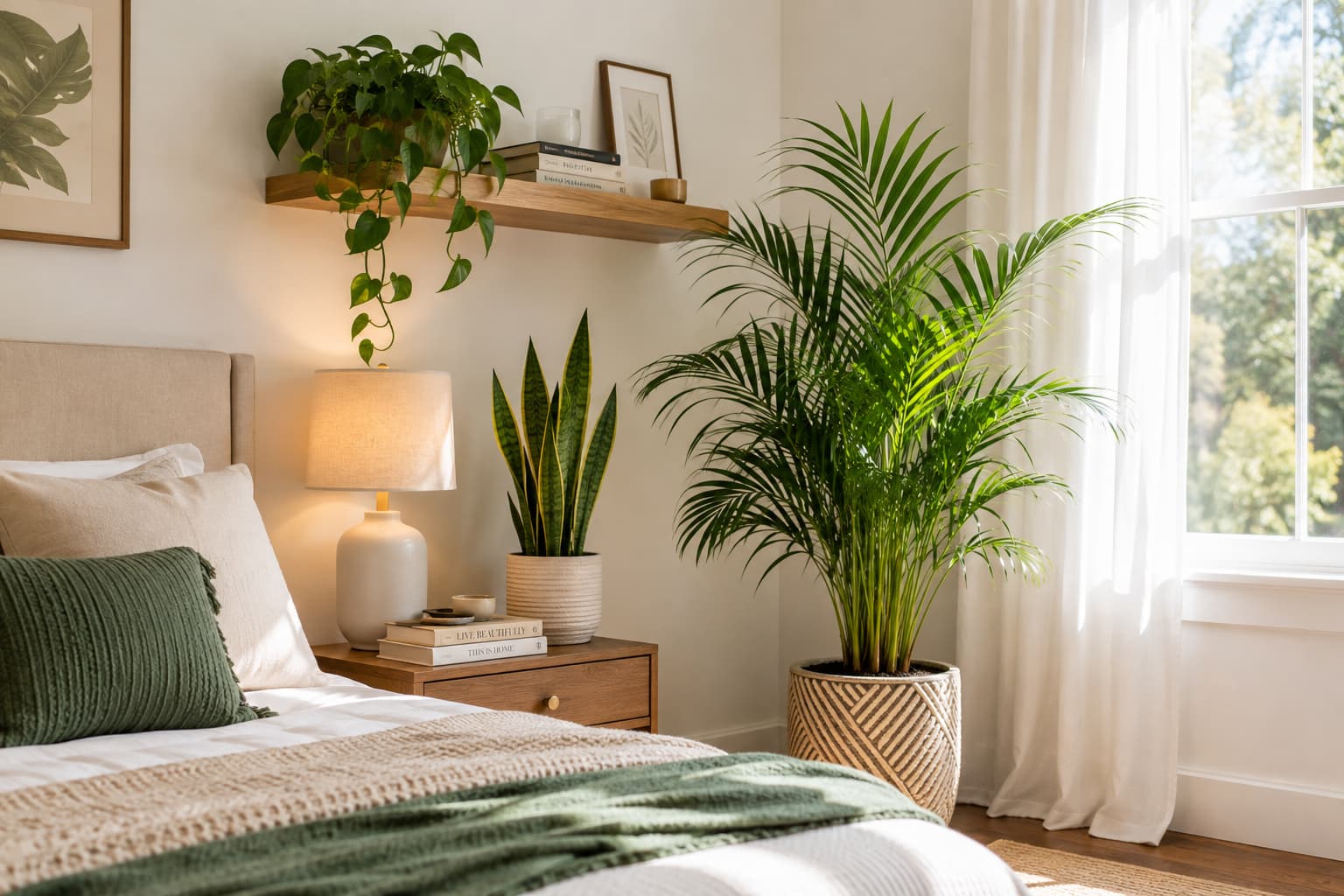
Indoor plants naturally enhance interior spaces by adding texture, color, and life to any room. Whether your décor is modern, traditional, or minimalist, plants create a welcoming atmosphere and can serve as attractive focal points.
You can use plants to:
• Brighten empty corners
• Decorate shelves and tables
• Add greenery to home offices
• Create relaxing living spaces
• Improve the appearance of entryways
Even a single healthy plant can transform the look and feel of a room.
4. Helps Beginners Learn Valuable Gardening Skills
Indoor gardening is an excellent starting point for anyone interested in gardening but lacking outdoor space or experience. Because houseplants are generally easier to monitor and care for than outdoor gardens, beginners can gradually build confidence while learning essential gardening techniques.
You’ll learn how to:
• Water plants correctly
• Identify healthy growth
• Recognize signs of pests and diseases
• Repot plants
• Understand light requirements
• Use fertilizers safely
These foundational skills can later be applied to outdoor gardening, container gardening, or vegetable gardening.
5. Makes Better Use of Small Living Spaces
Not everyone has access to a backyard or garden. Indoor gardening allows people living in apartments, condos, dormitories, or small homes to enjoy the benefits of growing plants.
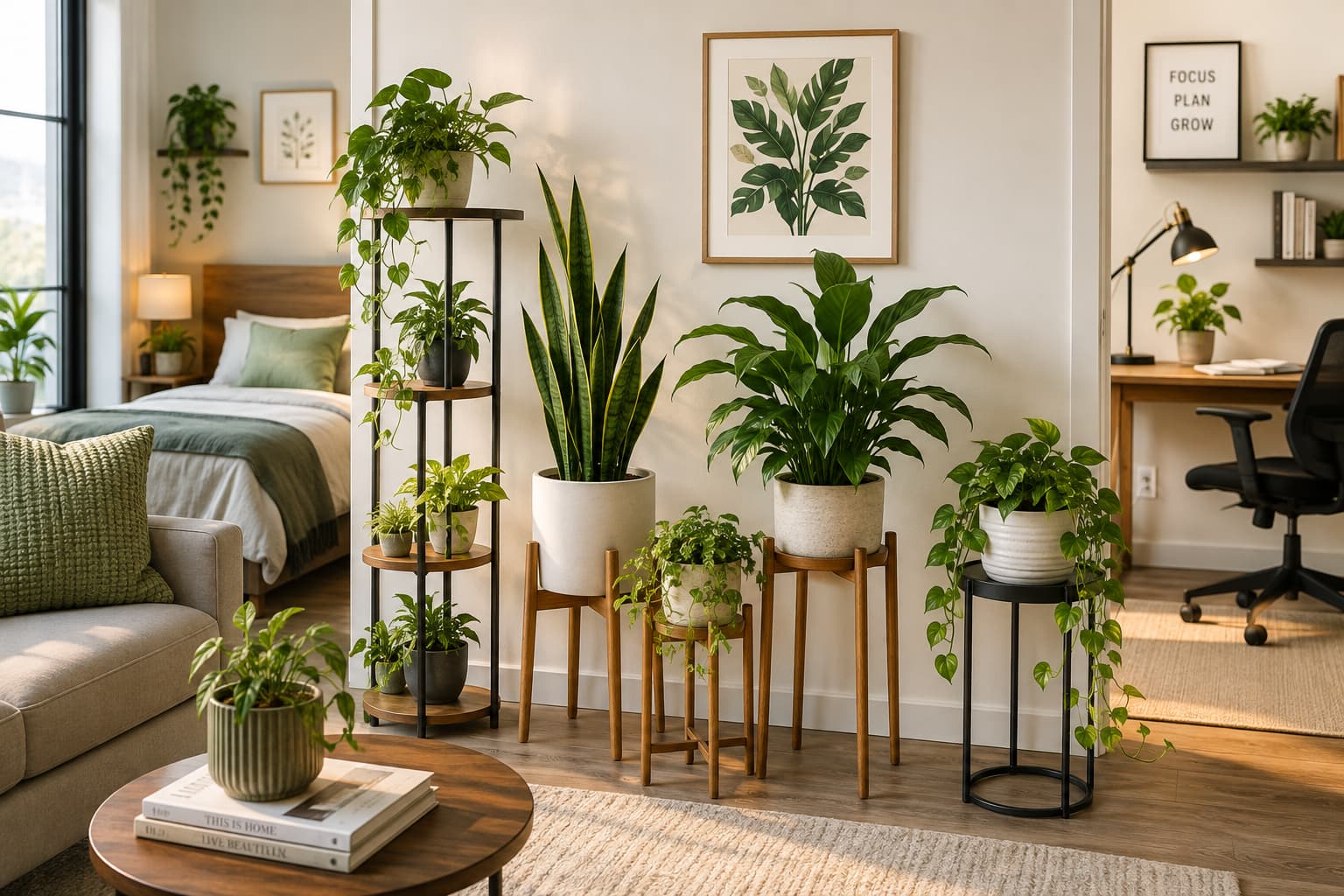
With creative placement, you can grow plants in:
• Windowsills
• Bookshelves
• Hanging baskets
• Wall-mounted planters
• Plant stands
• Kitchen countertops
This makes indoor gardening accessible regardless of your available outdoor space.
6. Encourages Consistency and Responsibility
Plants depend on regular care to thrive. By maintaining a simple watering and maintenance routine, beginners develop habits that encourage consistency and responsibility.
Over time, you’ll become more observant, learning to notice subtle changes in your plants, such as:
• New leaves emerging
• Soil drying out
• Changes in leaf color
• Seasonal growth patterns
Watching your plants flourish because of your care is both satisfying and motivating.
7. Provides Year-Round Gardening Opportunities
Unlike outdoor gardens that are affected by changing seasons, indoor gardens can be enjoyed throughout the year. With the right lighting and care, many houseplants continue growing regardless of the weather outside.
This means you can:
• Enjoy greenery during winter
• Continue learning gardening skills year-round
• Grow tropical plants in cooler climates
• Maintain a consistent gardening routine
For beginners, this continuous growing season offers plenty of opportunities to gain experience.
8. Can Improve Indoor Humidity
Many houseplants release water vapor through a natural process called transpiration. When several plants are grouped together, they may contribute to slightly higher humidity levels in a room.
This can be particularly beneficial during colder months when indoor heating often makes the air feel dry.
While plants alone won’t dramatically change humidity throughout an entire home, they can create a more comfortable microclimate around themselves, especially when combined with other humidity-boosting methods.
9. Offers an Affordable and Rewarding Hobby
Compared to many hobbies, indoor gardening can be surprisingly affordable. Beginners can start with just a few easy-care plants, basic pots, quality potting mix, and simple gardening tools.
As your skills grow, you can expand your collection gradually without a large upfront investment.
You can also save money by:
• Propagating plants from cuttings
• Dividing mature plants
• Reusing decorative containers
• Sharing plant cuttings with friends and family
Indoor gardening offers long-term enjoyment while keeping costs manageable.
10. Builds Confidence Through Small Successes
One of the greatest rewards of indoor gardening is watching your efforts produce visible results. Seeing a new leaf unfurl, a cutting develop roots, or a once-struggling plant recover builds confidence and encourages continued learning.
Each successful plant teaches valuable lessons about:
• Patience
• Observation
• Problem-solving
• Plant biology
• Environmental care
These small achievements make indoor gardening an enjoyable and fulfilling hobby for beginners of all ages.
By understanding these benefits, you’ll see that indoor gardening is more than simply growing plants—it’s an opportunity to create a healthier, more inviting home while developing a rewarding hobby that can last a lifetime.
What You Need Before Starting Indoor Gardening
One of the biggest mistakes beginners make is buying attractive houseplants before understanding how to care for them. While it’s exciting to bring home new plants, success in indoor gardening depends more on preparation than impulse purchases.
Fortunately, getting started doesn’t require expensive tools or professional experience. Most beginners can create a thriving indoor garden with a handful of essential supplies, the right growing environment, and a basic understanding of plant care.
Taking a little time to prepare before buying your first plant will help you avoid common problems such as overwatering, poor drainage, pest infestations, and slow plant growth. It also increases your chances of keeping your plants healthy for years to come.
Below are the essential items every beginner should have before starting an indoor garden.
Essential Supplies for Indoor Gardening
The right tools and materials make plant care easier, more effective, and more enjoyable. Investing in quality essentials from the beginning can save you time, money, and frustration later.
1. Containers (Plant Pots)
Choosing the right container is one of the most important decisions you’ll make. A plant’s pot doesn’t just hold the soil—it also supports healthy root development and proper drainage.
Whenever possible, choose containers with drainage holes at the bottom. Drainage holes allow excess water to escape, preventing water from collecting around the roots. Without proper drainage, plants are much more likely to develop root rot, one of the most common causes of houseplant failure.
Popular container options include:
• Plastic pots
• Ceramic pots
• Terracotta (clay) pots
• Self-watering planters
• Hanging baskets
• Decorative cachepots (used with an inner nursery pot)
• Choosing the Right Pot Size
A pot that is too small can restrict root growth, while an oversized pot may hold excess moisture and increase the risk of overwatering.
As a general rule:
• Choose a pot that is 1–2 inches (2.5–5 cm) wider than the plant’s current root ball.
• Always ensure adequate drainage.
• Repot plants only when they become root-bound or outgrow their containers.
2. High-Quality Potting Mix
Healthy plants begin with healthy soil.
Many beginners mistakenly use ordinary garden soil for indoor plants. Unfortunately, outdoor soil is often too heavy, drains poorly, and may contain weed seeds, insects, fungi, or harmful pathogens.
Instead, use a high-quality indoor potting mix specially formulated for container-grown plants.
A good potting mix provides:
• Excellent drainage
• Proper root aeration
• Moisture retention
• Nutrient support
• Reduced risk of soil-borne diseases
• Specialized Potting Mixes
Different plants have different growing requirements.
Some examples include:
• Succulent and cactus mix – Fast-draining soil for cacti and succulents.
• Orchid bark mix – Chunky bark that provides excellent airflow for orchid roots.
• African violet mix – Designed to maintain the moisture levels these flowering plants prefer.
• Aroid mix – Ideal for Monstera, Philodendrons, and Anthuriums because it improves drainage and airflow.
Using the correct growing medium can significantly improve plant health and reduce maintenance problems.
3. Watering Can
Watering is one of the most important aspects of indoor gardening, so having the right watering tool makes a noticeable difference.
A watering can with a long, narrow spout allows you to direct water precisely to the base of the plant without splashing furniture, flooring, or delicate leaves.
Benefits include:
• More accurate watering
• Less water waste
• Reduced risk of fungal diseases caused by wet foliage
• Better control for small indoor pots
For larger plant collections, you may also find a measuring container useful for mixing liquid fertilizers.
4. Pruning Shears or Garden Scissors
Every indoor gardener should own a pair of sharp, clean pruning shears or gardening scissors.
Regular pruning keeps plants healthy by removing:
• Dead leaves
• Yellow foliage
• Damaged stems
• Spent flowers
• Diseased growth
Pruning also encourages many plants to become fuller and bushier rather than tall and leggy.
Tips for Safe Pruning:
• Always clean pruning tools before and after use.
• Use sharp blades to make clean cuts.
• Remove damaged growth promptly to prevent disease spread.
5. Spray Bottle
Many popular indoor plants originate from tropical rainforests where humidity levels are naturally high.
In homes with dry indoor air—especially during winter—some tropical plants appreciate occasional misting.
A spray bottle is useful for:
• Lightly misting humidity-loving plants
• Cleaning dusty leaves
• Increasing humidity around foliage (temporarily)
• Applying diluted foliar treatments when appropriate
Plants that may appreciate occasional misting include:
• Boston Fern
• Calathea
• Prayer Plant
• Fittonia
However, remember that misting alone is usually not enough to significantly increase humidity. A humidifier or grouping plants together often provides better long-term results.
6. Plant Fertilizer
Indoor plants gradually use up the nutrients available in their potting mix.
To support healthy growth, most houseplants benefit from occasional fertilization during their active growing season, typically spring and summer.
Common fertilizer types include:
• Liquid fertilizer
• Water-soluble fertilizer
• Slow-release fertilizer
• Organic plant food
A balanced fertilizer is suitable for many foliage plants, but always read the manufacturer’s instructions before application.
When it comes to feeding indoor plants, more isn’t always better. Applying extra fertilizer won’t make your plants grow faster—in fact, overfertilizing can do more harm than good. Excess nutrients can accumulate in the soil, stress the roots, and interfere with healthy growth.
Applying too much fertilizer can:
• Burn or damage plant roots
• Cause brown or scorched leaf tips
• Lead to a buildup of fertilizer salts in the soil
• Encourage weak, leggy growth
• Cause leaf yellowing or premature leaf drop
• Reduce the plant’s ability to absorb water and essential nutrients
• In severe cases, kill the plant
Best Practice: Always follow the fertilizer manufacturer’s recommended application rate and schedule. During fall and winter, many indoor plants grow more slowly and require little or no fertilizer until active growth resumes in spring.
During fall and winter, many indoor plants grow more slowly and require little or no fertilizer.
7. Grow Lights (Optional but Helpful)
Natural sunlight isn’t available in every home. If your rooms receive limited light, LED grow lights can help provide the energy plants need for photosynthesis.
Grow lights are especially useful for:
• Apartments with small windows
• North-facing rooms
• Offices
• Winter plant care
• Growing herbs indoors
Modern LED grow lights are energy-efficient and available in various sizes to suit different indoor spaces.
8. Plant Labels and Care Journal
As your indoor garden grows, it becomes easier to forget plant names and care routines.
Using plant labels or keeping a simple gardening journal helps you record:
• Plant names
• Watering dates
• Fertilizer schedules
• Repotting history
• Pest treatments
• Growth observations
This habit makes troubleshooting much easier and helps you learn from experience.
Creating the Right Growing Environment
Before purchasing plants, evaluate your home to determine where they will thrive.
Ask yourself:
• Which rooms receive the most natural light?
• Are there drafty windows or heating vents nearby?
• Is the room dry or humid?
• Do you have children or pets that may reach the plants?
• How much time can you realistically dedicate to plant care each week?
Answering these questions will help you choose plants that match your home rather than trying to force unsuitable plants into difficult conditions.
Indoor Gardening for Beginners: Common Mistakes To Avoid
Starting an indoor garden is exciting, but it’s normal to make a few mistakes along the way. Fortunately, most common problems are easy to prevent once you understand the basic needs of your plants.
Below are some of the most frequent indoor gardening mistakes beginners make, along with practical tips to help you avoid them and keep your houseplants healthy.
1. Overwatering
Overwatering is the number one reason indoor plants die. Many beginners assume that watering more frequently will help plants grow faster, but the opposite is often true.
When the soil remains constantly wet, air pockets around the roots disappear, preventing roots from getting the oxygen they need. This creates ideal conditions for root rot, fungal diseases, and pest infestations.
Signs of Overwatering – Watch for these warning signs:
• Yellowing leaves
• Soft or mushy stems
• Wilting despite wet soil
• Mold growing on the soil surface
• Foul-smelling soil
• Fungus gnats around the pot
• Black or rotting roots
How to Avoid It:
• Always check the soil before watering.
• Insert your finger about 1–2 inches (2.5–5 cm) into the soil.
• Water only when the top layer feels dry (unless caring for plants that prefer consistently moist soil).
• Empty saucers after watering to prevent standing water.
• Use pots with drainage holes.
It’s generally easier to revive a slightly underwatered plant than one suffering from severe root rot caused by overwatering.
2. Underwatering
Although overwatering is more common, underwatering can also damage indoor plants. Forgetting to water for extended periods deprives roots of the moisture needed for photosynthesis and healthy growth.
Some drought-tolerant plants, such as snake plants and ZZ plants, can withstand dry conditions better than tropical species, but most houseplants still require consistent watering.
Signs of Underwatering – Common symptoms include:
• – Dry, compacted soil
• Crispy brown leaf edges
• Drooping leaves
• Curling foliage
• Slow or stunted growth
• Leaves falling prematurely
How to Avoid It:
• Learn the watering needs of each plant species.
• Check soil moisture regularly instead of following a rigid schedule.
• Increase watering frequency during warm weather when soil dries faster.
• Consider using self-watering planters if you travel often.
Different plants have different watering requirements. A cactus and a peace lily should never be watered on the same schedule.
3. Choosing the Wrong Light Conditions
Light is one of the most important factors affecting plant health. Even with perfect watering and fertilizing, a plant placed in the wrong lighting conditions may struggle to survive.
Each plant has specific light requirements. Placing a sun-loving succulent in a dark corner or exposing a low-light plant to intense afternoon sun can cause poor growth or leaf damage.
Signs Your Plant Isn’t Getting Enough Light:
• Slow growth
• Small new leaves
• Pale foliage
• Long, stretched stems (leggy growth)
• Leaning toward the nearest window
Signs of Too Much Light:
• Brown, scorched leaf edges
• Bleached or faded leaves
• Dry, crispy patches
• Wilting despite moist soil
How to Avoid It:
• Learn your plant’s light requirements before buying it.
• Observe how much natural light each room receives throughout the day.
• Rotate plants occasionally for even growth.
• Use LED grow lights if natural light is limited.
Bright, indirect light is suitable for many popular indoor plants, including pothos, monstera, philodendrons, and peace lilies.
4. Using Garden Soil Indoors
Many beginners believe soil is simply soil, but garden soil is rarely suitable for indoor plants.
Outdoor soil tends to be dense and compact, which restricts airflow around roots and drains poorly in containers. It may also contain insects, weed seeds, fungi, or harmful pathogens that can cause problems indoors.
Problems with Garden Soil:
• Poor drainage
• Compacted roots
• Increased risk of root rot
• Weed growth
• Soil-borne diseases
• Insect infestations
Better Alternative:
Use a high-quality indoor potting mix specifically formulated for container plants.
Depending on the plant, you may also choose:
• Succulent and cactus mix
• Orchid bark mix
• African violet mix
• Aroid mix
Fresh potting mix provides better aeration and moisture balance, giving indoor plants a healthier growing environment.
5. Overfertilizing
Many beginners assume that adding extra fertilizer will produce faster growth and larger plants. In reality, applying too much fertilizer often causes more harm than good.
Excess fertilizer builds up as salts in the soil, which can damage delicate roots and interfere with the plant’s ability to absorb water.
Signs of Overfertilization:
• Brown or burnt leaf tips
• White crust on the soil surface
• Yellowing leaves
• Weak, leggy growth
• Wilting despite adequate watering
• Slow growth
How to Avoid It:
• Follow the fertilizer manufacturer’s instructions carefully.
• Fertilize only during active growth, usually in spring and summer.
• Reduce or stop fertilizing during fall and winter for most houseplants.
• Flush the soil occasionally with clean water to reduce salt buildup if appropriate.
A healthy plants require balanced nutrition—not excessive feeding.
6. Ignoring Pests
Even healthy indoor plants can occasionally attract pests. Unfortunately, many beginners don’t notice infestations until significant damage has occurred.
Regular inspections allow you to catch problems early, making them much easier to control.
Common Indoor Plant Pests:
Keeping pests under control is an important part of successful indoor gardening. Learn how to identify, prevent, and treat infestations in our comprehensive guide to 8 Common Indoor Plant Pests and How to Eliminate Them, covering aphids, spider mites, mealybugs, fungus gnats, and more.
• Spider mites
• Aphids
• Mealybugs
• Scale insects
• Fungus gnats
• Thrips
• Signs of Pest Problems
• Sticky leaves
• Tiny insects on stems or leaves
• White cotton-like clusters
• Fine webbing
• Yellow spots
• Distorted new growth
How to Avoid It:
• Inspect plants every week.
• Check the undersides of leaves.
• Isolate new plants before introducing them to your collection.
• Remove dead leaves and plant debris.
• Improve airflow around plants.
Early detection is the easiest and most effective form of pest control.
7. Repotting Too Often
Many beginners believe that moving plants into larger pots frequently encourages faster growth. However, unnecessary repotting can stress the plant and disturb its root system.
Most houseplants only need repotting every one to three years, depending on their growth rate.
Signs a Plant Actually Needs Repotting:
• Roots growing through drainage holes
• Soil dries extremely quickly
• Water runs straight through the pot
• Plant becomes root-bound
• Growth slows significantly
How to Avoid It:
• Repot only when necessary.
• Choose a container just 1–2 inches (2.5–5 cm) larger than the current pot.
• Repot during spring or early summer whenever possible.
8. Using Pots Without Drainage Holes
Beautiful decorative containers often lack drainage holes, making them unsuitable as the primary growing container for most houseplants.
Without drainage, excess water collects at the bottom of the pot, depriving roots of oxygen and increasing the likelihood of disease.
Problems Caused by Poor Drainage:
• Waterlogged soil
• Root rot
• Yellowing leaves
• Fungal diseases
• Slow growth
• Plant death
How to Avoid It:
• Always choose pots with drainage holes whenever possible.
• If using decorative containers, place the plant in a nursery pot with drainage holes and set it inside the decorative pot.
• Empty any excess water that collects in saucers or outer containers after watering.
Choosing the Best Indoor Plants for Beginners
Not every houseplant is suitable for someone who is just starting out. While some plants thrive with minimal care, others require precise watering schedules, consistently high humidity, specialized soil mixes, or bright sunlight to remain healthy.
Choosing beginner-friendly plants dramatically increases your chances of success and helps build confidence as you learn the fundamentals of indoor gardening.
Not sure which houseplants to start with? Explore our carefully selected list of the 21 Best Indoor Plants for Every Home, featuring beautiful, beginner-friendly plants that are easy to grow, low maintenance, and suitable for a wide range of indoor environments.
The best beginner plants typically share several characteristics:
• They tolerate occasional watering mistakes.
• They adapt well to average indoor temperatures.
• They grow in a variety of light conditions.
• They resist many common pests and diseases.
• They recover quickly from minor care errors.
Starting with resilient, low-maintenance plants allows you to focus on learning essential skills—such as watering, fertilizing, pruning, and recognizing signs of healthy growth—without becoming overwhelmed.
Once you’ve gained experience caring for easy houseplants, you’ll be well prepared to expand your collection with more specialized tropical plants, flowering varieties, or rare indoor species.
If your home doesn’t receive much natural sunlight, don’t worry. Many houseplants thrive in dimmer spaces. Check out our guide to the 21 Best Low Light Plants That Thrive Without Direct Sunlight to discover species that flourish even in rooms with limited light
Top Beginner-Friendly Indoor Plants
Choosing the right plants is one of the most important decisions you’ll make as a new indoor gardener. While many houseplants are beautiful, not all of them are beginner-friendly. Some require constant attention, precise watering schedules, high humidity, or bright sunlight to thrive.
If you’re just starting your indoor gardening journey, it’s best to choose plants that are forgiving, adaptable, and easy to maintain. These resilient houseplants can tolerate occasional care mistakes while still growing into healthy, attractive additions to your home.
Healthy indoor plants require more than proper watering. Learn about fertilizing, humidity, pruning, repotting, and long-term maintenance in our detailed Indoor Plant Care: The Complete Beginner’s Guide to Healthy Houseplants, packed with practical care tips for every experience level.
Below are some of the best indoor plants for beginners.
1. Snake Plant (Sansevieria trifasciata / Dracaena trifasciata)
Snake plants are widely regarded as one of the easiest houseplants to grow, making them an excellent choice for beginners. Their upright, sword-like leaves add a modern touch to any room, and they can thrive in a wide range of indoor conditions.
One of their greatest advantages is their ability to tolerate neglect. If you occasionally forget to water your plants, a snake plant is unlikely to suffer. It also adapts well to both bright indirect light and low-light areas, making it ideal for homes and offices.
Why Beginners Love Snake Plants:
• Tolerates low, medium, and bright indirect light
• Requires infrequent watering
• Extremely drought tolerant
• Resistant to many common pests
• Slow-growing and easy to maintain
• Suitable for bedrooms, offices, and apartments
Care Tip: Allow the soil to dry completely before watering again, as overwatering is the most common cause of problems.
2. Spider Plant (Chlorophytum comosum)
Spider plants have remained popular houseplants for decades because they are attractive, adaptable, and incredibly easy to care for. Their arching green leaves, often striped with white, make them ideal for hanging baskets, shelves, and plant stands.
As they mature, spider plants produce small baby plants known as plantlets or “spiderettes.” These can be easily propagated, allowing you to grow new plants at no additional cost.
Why Beginners Love Spider Plants:
• Fast-growing
• Easy to propagate from baby plantlets
• Adapts well to different indoor environments
• Handles occasional missed watering
• Attractive in hanging baskets
• Pet-friendly compared to many common houseplants
Care Tip: Place your spider plant in bright, indirect sunlight and water when the top inch of soil feels dry.
3. ZZ Plant (Zamioculcas zamiifolia)
The ZZ plant is famous for its glossy, dark green leaves and exceptional resilience. It thrives in offices, apartments, and homes where natural light may be limited.
Because its underground rhizomes store water, the ZZ plant can survive extended periods without watering, making it one of the most forgiving houseplants for busy people.
Why Beginners Love ZZ Plants:
• Thrives in low to medium light
• Requires very little watering
• Highly drought tolerant
• Slow-growing but long-lived
• Resistant to neglect
• Ideal for offices and low-light rooms
Care Tip: Water only when the soil has completely dried out. Too much water can damage the roots.
4. Pothos (Epipremnum aureum)
Pothos is often recommended as the perfect starter plant because it combines beauty with incredibly easy care. Its trailing vines and heart-shaped leaves make it a popular choice for shelves, hanging baskets, and decorative planters.
Pothos grows quickly and adapts well to various indoor lighting conditions, making it ideal for beginners learning how to care for houseplants.
Why Beginners Love Pothos:
• Fast-growing vines
• Tolerates low to bright indirect light
• Easy to propagate in water
• Forgiving if watering is occasionally delayed
• Attractive trailing foliage
• Suitable for hanging baskets and shelves
Care Tip: Trim long vines regularly to encourage fuller, bushier growth.
5. Peace Lily (Spathiphyllum)
Peace lilies are prized for their glossy green leaves and elegant white blooms. While they appreciate slightly more attention than some beginner plants, they communicate their needs very clearly.
When a peace lily becomes thirsty, its leaves gently droop, letting you know it’s time to water. After watering, the plant usually recovers within hours, making it an excellent teacher for new plant owners.
Why Beginners Love Peace Lilies:
• Beautiful white flowers
• Tells you when it needs water
• Performs well in medium to low light
• Improves the appearance of indoor spaces
• Easy to maintain with consistent care
Care Tip: Keep the soil lightly moist but never soggy, and avoid placing the plant in direct afternoon sunlight.
Even experienced gardeners occasionally encounter yellow leaves, drooping stems, brown leaf tips, or slow growth. Our guide on 21 Common Indoor Plant Problems and How to Fix Them Fast explains the most common issues and offers practical solutions to help your plants recover quickly.
6. Chinese Evergreen (Aglaonema)
Chinese evergreens are among the most adaptable indoor plants available. Their attractive leaves come in shades of green, silver, cream, pink, and red, making them excellent decorative plants for homes and offices.
These plants tolerate lower light conditions better than many colorful houseplants and require relatively little maintenance.
Why Beginners Love Chinese Evergreens:
• Attractive variegated foliage
• Thrives in low to medium light
• Requires moderate watering
• Adaptable to average indoor temperatures
• Slow-growing and easy to maintain
• Excellent choice for offices
Care Tip: Water when the top layer of soil begins to dry and keep the plant away from cold drafts.
7. Cast Iron Plant (Aspidistra elatior)
The Cast Iron Plant has earned its name because of its remarkable toughness. It tolerates conditions that would stress many other houseplants, including inconsistent watering, low light, and fluctuating indoor temperatures.
This makes it one of the most dependable options for beginners or anyone with a busy lifestyle.
Why Beginners Love Cast Iron Plants:
• Extremely hardy
• Thrives in low-light environments
• Handles occasional neglect
• Resistant to many common pests
• Long lifespan
• Excellent for shaded rooms
Care Tip: Avoid overwatering. Allow the soil to partially dry before watering again.
Which Beginner Plant Should You Choose?
If you’re unsure where to start, here’s a quick comparison of these beginner-friendly houseplants.
| Plant | Light Needs | Water Needs | Difficulty Level |
| Snake Plant | Low to bright indirect | Low | Very Easy |
| Spider Plant | Bright indirect | Moderate | Very Easy |
| ZZ Plant | Low to medium | Low | Very Easy |
| Pothos | Low to bright indirect | Moderate | Very Easy |
| Peace Lily | Medium to Low | Moderate | Easy |
| Chinese Evergreen | Low to medium | Moderate | Easy |
| Cast Iron Plant | Low | Low | Very Easy |
Why Start with Easy-Care Plants?
Beginning your indoor gardening journey with resilient plants allows you to build confidence while learning essential care techniques such as watering, fertilizing, pruning, and recognizing signs of healthy growth. Once you’ve mastered these fundamentals, you’ll be well prepared to expand your collection with more challenging species, including orchids, calatheas, ferns, and flowering tropical plants.
Starting simple is one of the best ways to ensure long-term success and enjoy the rewarding experience of indoor gardening.
The University of Minnesota Extension provides science-based gardening advice on houseplant care, watering, fertilizing, soil health, pest control, and growing healthy plants indoors. Its educational resources are designed to help gardeners make informed decisions.
Frequently Asked Questions (FAQs)
1. What is the easiest plant for indoor gardening beginners?
Snake plants, pothos, ZZ plants, and spider plants are among the easiest choices because they tolerate a range of indoor conditions and are forgiving of occasional care mistakes.
2. How often should I water indoor plants?
There is no universal schedule. Watering depends on the plant species, pot size, soil, humidity, and season. Check the soil before watering rather than following a fixed calendar.
3. Can indoor plants survive without natural sunlight?
Most indoor plants need some form of light. If natural light is limited, full-spectrum LED grow lights can provide an effective alternative for many species.
4. What is the best soil for indoor plants?
A quality indoor potting mix is suitable for most houseplants. However, succulents, cacti, orchids, and other specialized plants often require custom growing media for optimal drainage and root health.
5. How do I know if I’m overwatering my plant?
Common signs include yellowing leaves, soggy soil, mushy stems, mold on the soil surface, and an unpleasant odor from the potting mix.
6. When should I fertilize indoor plants?
Most houseplants benefit from fertilization during spring and summer when they are actively growing. Reduce or stop fertilizing during fall and winter if growth slows.
7. Is indoor gardening expensive?
Not necessarily. Many beginners start successfully with a few affordable plants, basic tools, and quality potting mix. As your experience grows, you can gradually expand your collection.
Key Takeaways:
• Indoor gardening is an enjoyable and accessible hobby for beginners.
• Success begins with choosing plants that match your home’s lighting conditions.
• Proper watering is more important than frequent watering.
• Good drainage and quality potting mix are essential for healthy roots.
• Regular inspections help prevent pest and disease problems.
• Seasonal care adjustments improve long-term plant health.
• Learning each plant’s specific needs leads to better results than treating every houseplant the same way.
Practical Action Steps
If you’re just starting your indoor gardening journey:
• Buy one or two beginner-friendly plants, such as a snake plant or pothos.
• Place them where they’ll receive appropriate light.
• Use pots with drainage holes and a quality indoor potting mix.
• Check soil moisture before every watering.
• Keep a simple care journal to track watering, fertilizing, and plant growth.
• Inspect leaves weekly for early signs of pests or disease.
• Expand your collection gradually as your confidence and experience grow.
If you share your home with cats or dogs, choosing safe houseplants is essential. Read our guide to 12 Types of Indoor Plants That Are Pet-Friendly (Safe for Cats & Dogs) to discover beautiful indoor plants that can help you create a greener home while reducing risks to your furry companions.
In Conclusion
Indoor Gardening for Beginners doesn’t have to be overwhelming. By selecting suitable plants, understanding their basic needs, and developing consistent care habits, you can create a thriving indoor garden that enhances your home throughout the year.
Remember that every gardener learns through observation and experience. Occasional setbacks are part of the process, but with patience and the practical techniques in this guide, you’ll build the skills needed to enjoy healthy, vibrant houseplants for years to come.
The Missouri Botanical Garden offers expert guidance on plant identification, indoor plant care, propagation, pest management, and gardening best practices. Its research-backed resources make it a trusted reference for both beginner and experienced gardeners.

I’m Bon (aka Guider), an indoor gardening writer and houseplant enthusiast passionate about helping beginners successfully grow and care for indoor plants. I create practical, beginner-friendly guides covering indoor plant care, watering, lighting, soil, repotting, plant problems, and choosing suitable houseplants for different homes. My articles draw on research from trusted horticultural organizations, university extension resources, and botanical institutions, combined with practical plant-care principles and careful content review.