Why Are My Plant Leaves Turning Yellow AND Brown? (Diagnostic Guide)
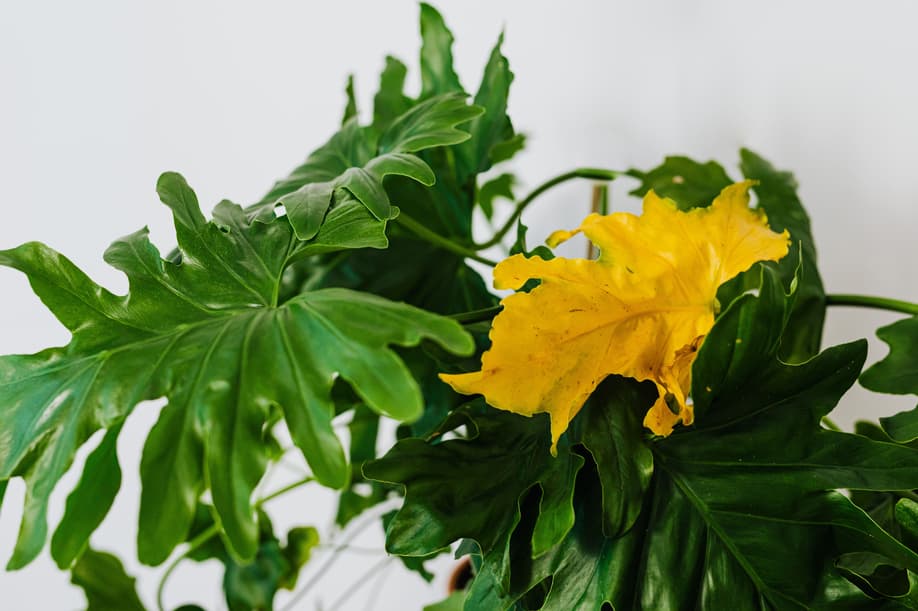
Image of a vibrant green Philodendron xanadu houseplant featuring a single prominent, bright yellow leaf indicating nutrient or water stress.

You notice yellow patches on your houseplant this morning. A few days later, those areas turn crisp and dead, leaving you with a chaotic mix of yellow and brown plant leaves. Should you grab the watering can, move the pot away from the window, or reach for fertilizer? When multiple symptoms strike at once, guessing the cure can accidentally kill your plant. Leaves act as a plant’s dashboard, and changing colors are distinct distress signals. This diagnostic guide will help you decode these visual warnings, find the exact environmental stressor,…

Read More

How to Fix Root Rot in Houseplants: A Step-by-Step Guide

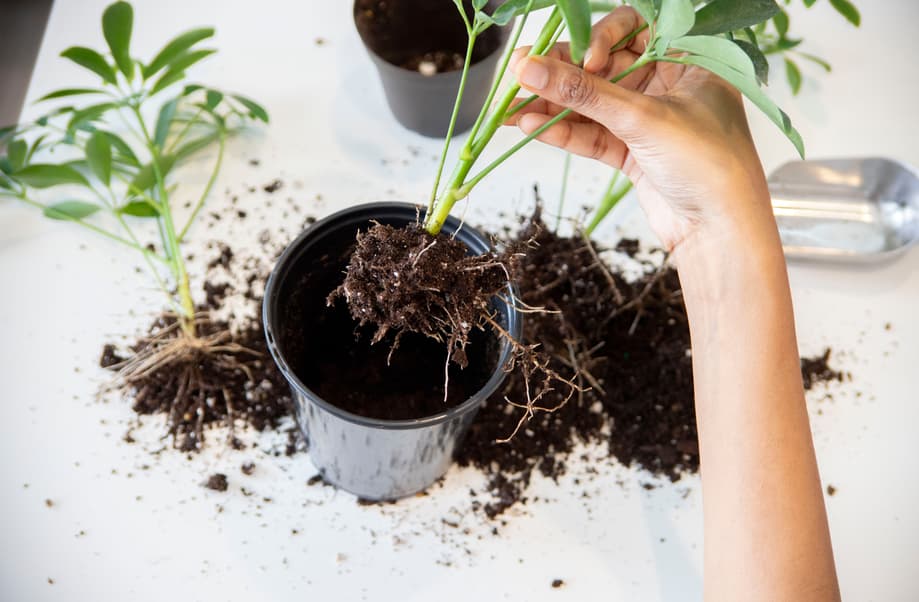
A person holding a green indoor houseplant showing exposed roots and dark potting soil over a white table during a repotting and root rot treatment session.

Root rot can be frustrating because the first visible symptoms often appear above the soil while the real damage is happening below it. A houseplant may wilt, develop yellow leaves, stop growing, or look thirsty even though its potting mix is still wet. The solution is not simply to water less. If roots have already begun to decay, the damaged tissue needs to be addressed and the conditions that allowed the problem to develop need to change. The good news is that a plant with some healthy roots remaining can…

Read More

21 Dangerous Indoor Plants Every Pet Owner Should Avoid

A man holding a beagle dog and a woman holding a fluffy gray cat as they look at a collection of dangerous indoor plants to pets, including a monstera and snake plant.

Bringing greenery into your living space is one of the best ways to brighten up a room, improve indoor air quality, and create a calming environment. However, if you share your home with curious four-legged family members, it is crucial to recognize which varieties are actually dangerous indoor plants that require careful vetting before entering your home. While houseplants offer numerous aesthetic benefits, many of the most popular trending varieties contain hidden biological defense mechanisms—such as insoluble calcium oxalate crystals, saponins, and toxic alkaloids—that are highly dangerous to domestic animals.…

Read More

How to Get Rid of Spider Mites on Indoor Plants: A Beginner’s Guide

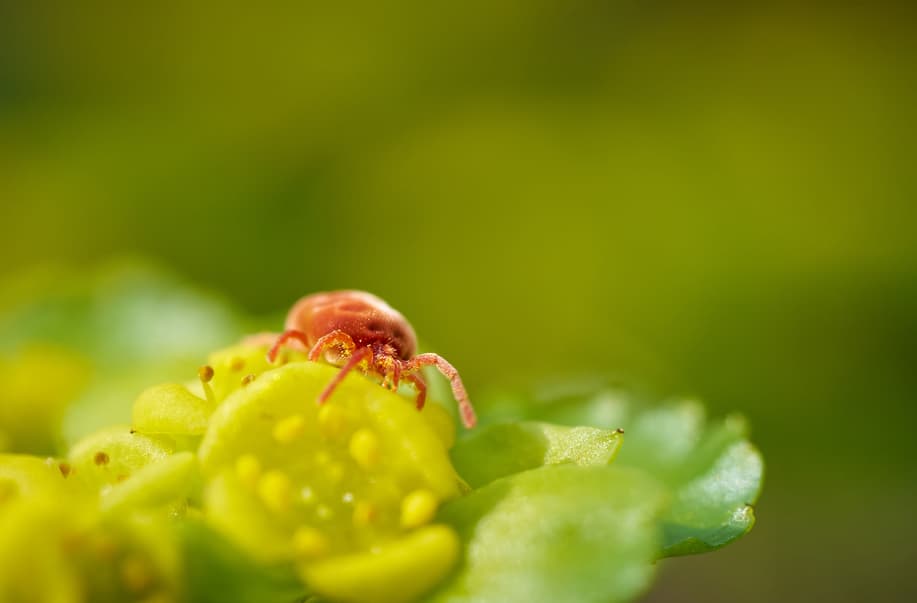
Macro photograph showing a tiny red spider mite crawling over bright yellow flower petals, showcasing common microscopic indoor plant pests.

Spider mites are among the most frustrating pests a houseplant owner can encounter. These tiny pests can reproduce quickly under favorable conditions and cause significant leaf damage before you realize there is a problem. If you are wondering how to get rid of spider mites on indoor plants, the first step is to identify the infestation early and understand the conditions that allow spider mites to thrive. With proper detection, isolation, plant care, and treatment, you can control an infestation and help your indoor plants recover. The good news is…

Read More

How to Prune Indoor Plants for Healthy Growth: A Beginner’s Guide

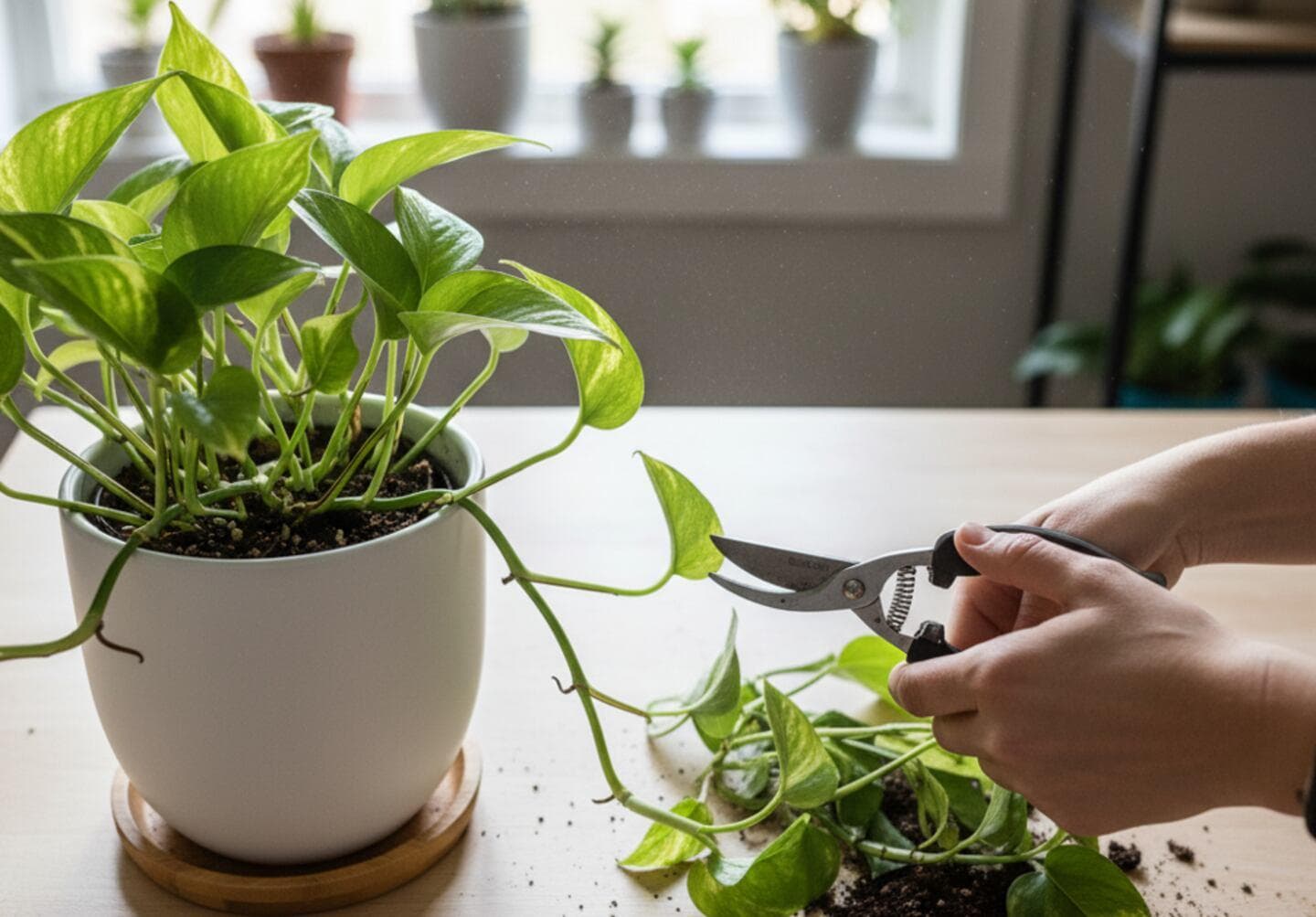
Learn how to prune indoor plants with clean cuts that support healthy growth and manageable shape.

A once-full houseplant can become leggy, uneven, or crowded with damaged leaves when its growth goes unchecked. Learning how to prune indoor plants is about more than just making them look tidy. The right cuts remove damaged tissue, improve shape, manage excessive growth, and encourage a fuller, healthier appearance. The challenge for beginners is knowing what to remove, where to cut, and when pruning may do more harm than good. Cutting healthy stems indiscriminately can reduce the plant’s ability to photosynthesize, while poorly timed or excessive pruning may delay recovery.…

Read More

Best Water for Houseplants: 5 Types Compared for Healthy Growth

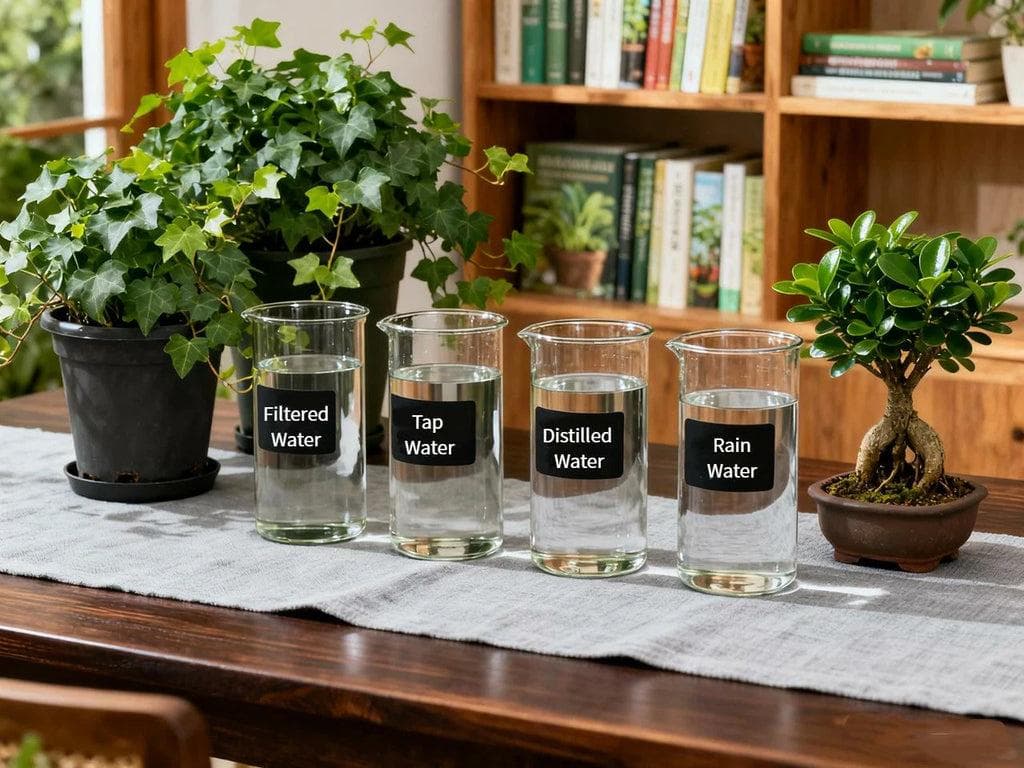
Indoor houseplant beside containers of tap filtered rainwater and distilled water for comparing watering options.

Finding the best water for houseplants is critical to their long-term health, as sensitive varieties easily struggle with the excessive minerals, salts, and disinfectants found in typical tap water. However, you don’t need to default to buying expensive bottled water, and even rainwater isn’t a universally perfect solution for every indoor garden. For most indoor gardeners, the best water is one that is reasonably clean, suitable for the plant’s needs, and practical to use consistently. Tap water works well for many houseplants, while filtered, rainwater, distilled, and bottled water each…

Read More

How to Increase Humidity for Indoor Plants: 10 Easy Methods That Work

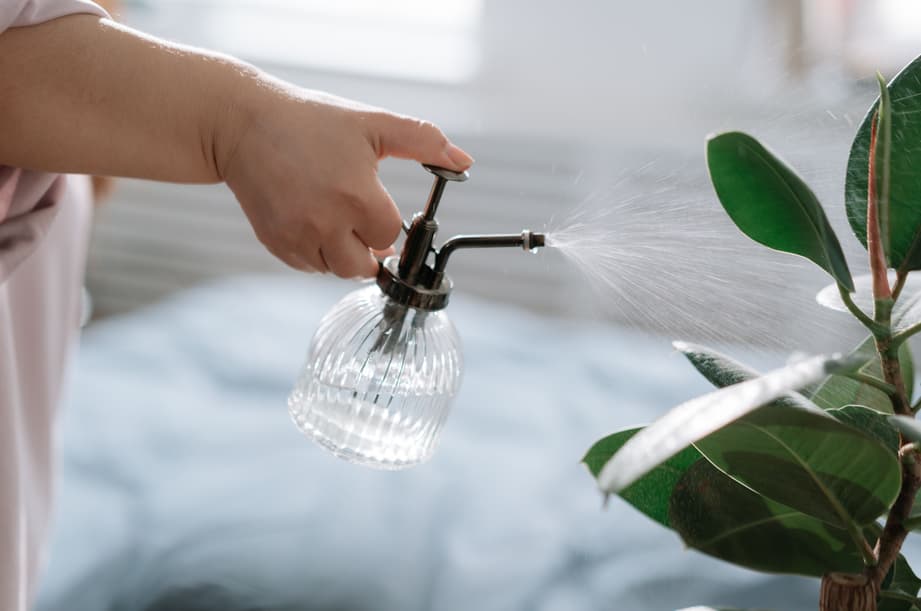
A person using a clear glass mister bottle to spray water on the leaves of a rubber plant, demonstrating how to increase humidity for indoor plants.

Dry indoor air can cause tropical houseplants to develop crispy leaf edges, curling foliage, browning tips, and disappointing new growth. If you are wondering how to increase humidity for plants, the solution is not simply spraying the leaves with water or placing every pot beside a bowl of water. Effective humidity management involves understanding your plant’s needs and using practical methods that provide more consistent moisture around the foliage without keeping the growing medium unnecessarily wet. The most useful approach depends on how dry your room is, which plants you…

Read More

Low Light Plants: 18 Astounding Benefits for Homes and Offices

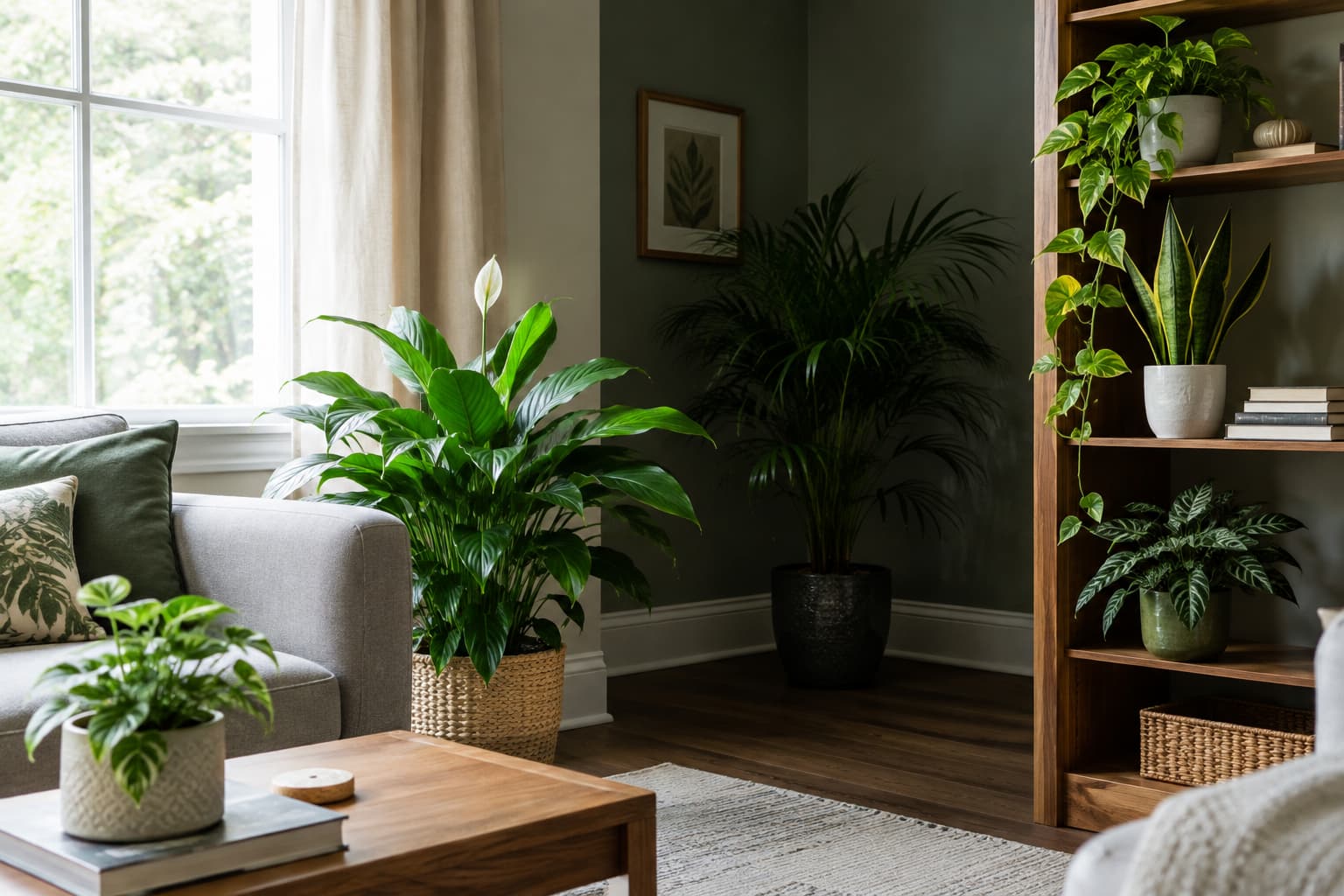
Healthy low light plants arranged in shaded areas of a bright living room

Not every room or office enjoys bright sunlight or sunny windows, but that doesn’t mean you have to miss out on the beauty and benefits of healthy indoor plants. The benefits of low light plants include making it easier to add natural greenery to rooms with filtered daylight, shaded windows, or spaces located several feet from a window. By choosing plants that tolerate lower light conditions, you can create a more practical and attractive indoor garden without needing ideal sunlight throughout your home. The important distinction is that low light…

Read More